The Power of a Confident Smile | Central Park West Dentist

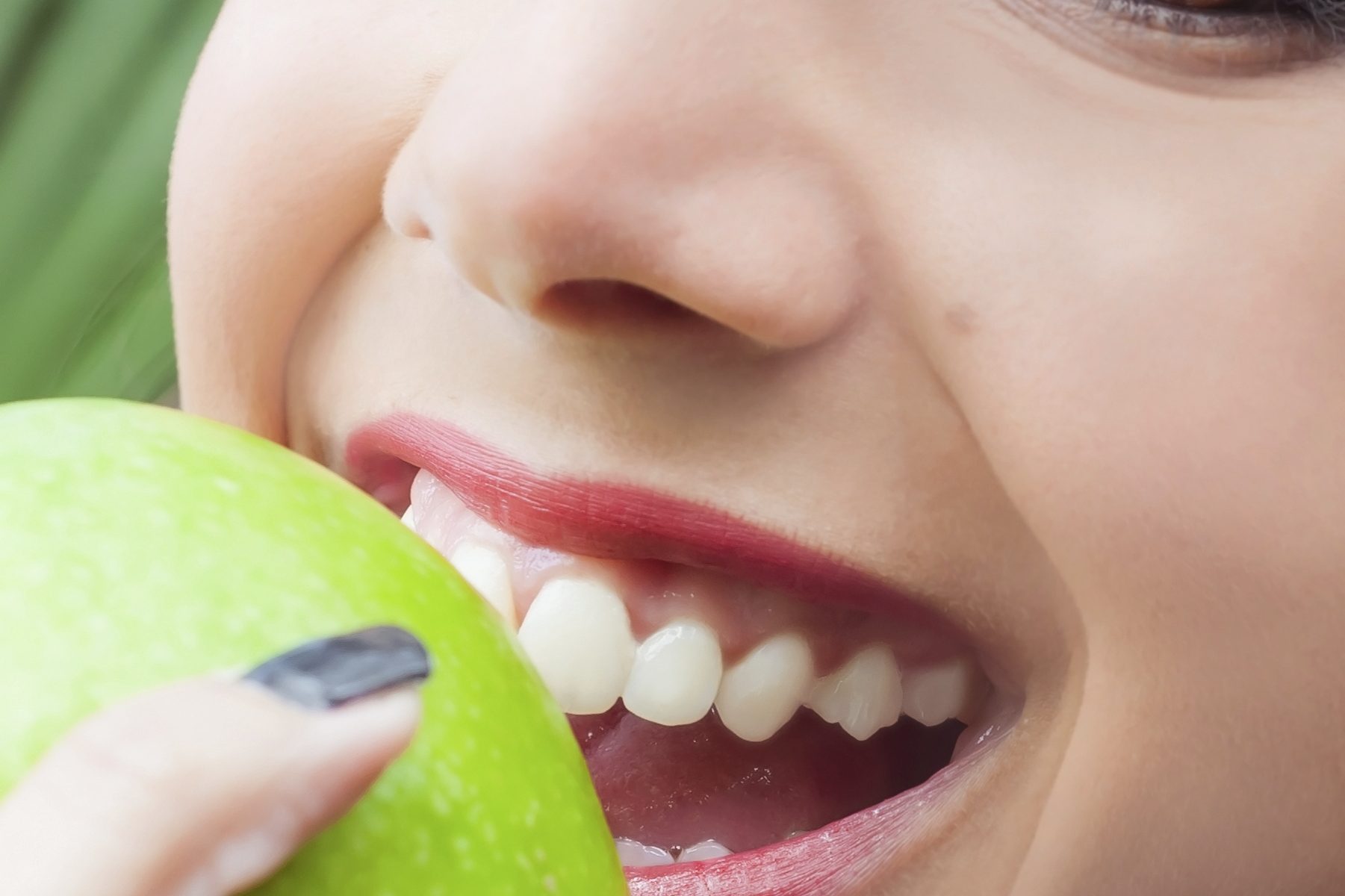
girl eating apple

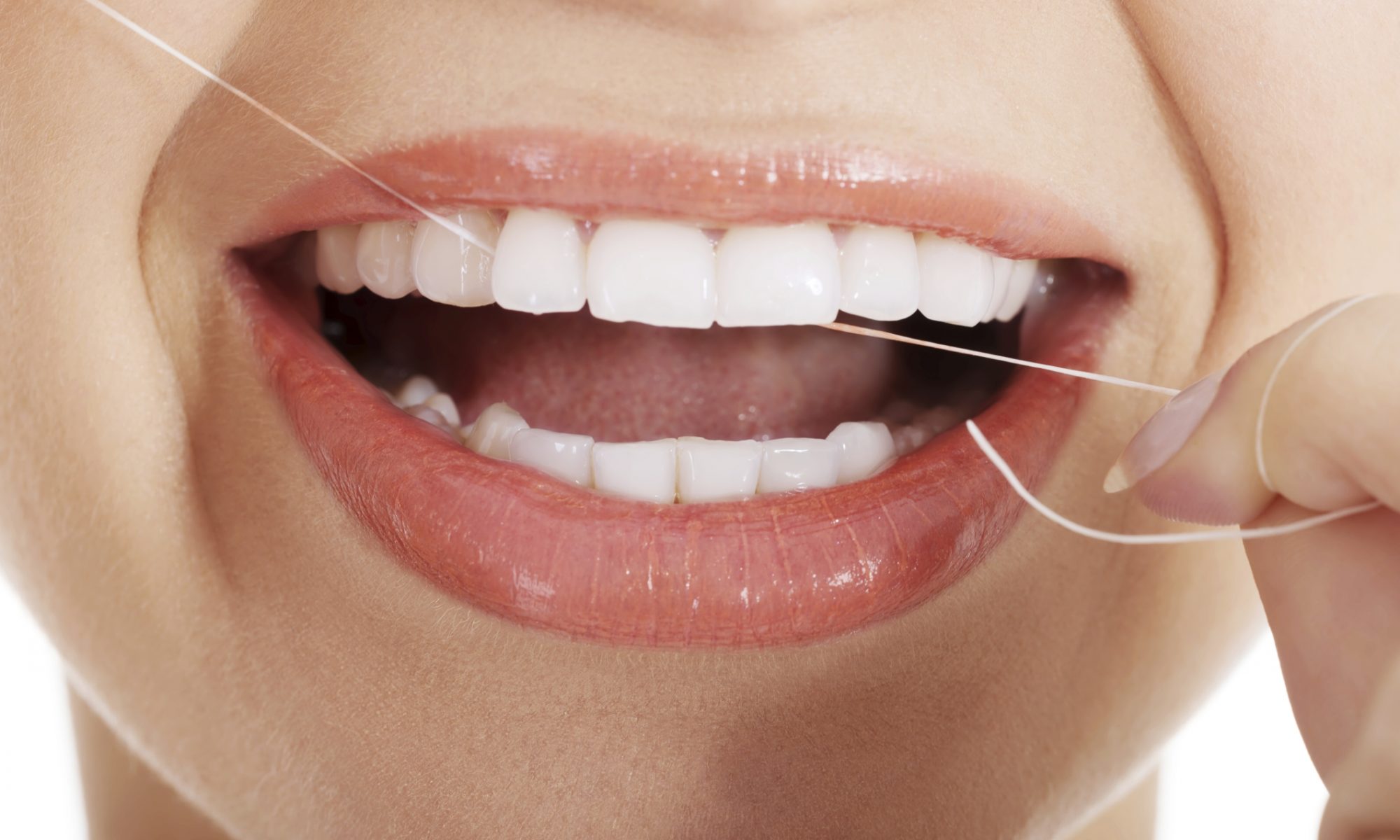
Your smile does more than reflect happiness—it shapes how others see you and how you see yourself. In both personal and professional environments, a genuine, healthy smile can influence first impressions, strengthen relationships, and even open doors in your career. Its impact goes far beyond appearance.

First Impressions Start with a Smile

In meetings, interviews, and networking events, people often form opinions within seconds. A warm smile can immediately signal approachability, confidence, and sincerity. Professionals who smile comfortably tend to be viewed as more trustworthy and capable, which can positively affect hiring decisions, client relationships, and leadership opportunities.

On the other hand, feeling insecure about your teeth may cause you to hold back your smile. Even subtle hesitation can be interpreted as discomfort or lack of confidence, potentially influencing how colleagues or employers perceive you.

The Confidence Connection

Smiling doesn’t just influence others—it changes how you feel internally. When you smile, your brain releases mood-boosting chemicals that help reduce stress and promote a sense of well-being. If you feel proud of your smile, you’re more likely to engage in conversations, contribute ideas, and take initiative in group settings.

Confidence often builds momentum. The more comfortable you are presenting yourself, the more naturally you project leadership, competence, and positivity—qualities that are highly valued in the workplace.

Oral Health and Self-Assurance

A confident smile begins with healthy teeth and gums. Concerns such as staining, chips, gaps, or misalignment can make people self-conscious in social situations. Even issues like persistent bad breath can create anxiety during close conversations.

Consistent dental care plays a key role in maintaining both health and appearance. Routine cleanings, preventive treatments, and cosmetic options—such as whitening or minor restorative procedures—can significantly enhance how you feel about your smile. When your oral health is strong, you’re free to express yourself without hesitation.

Smiling as a Professional Advantage

In collaborative environments, a smile fosters connection. It can ease tension during negotiations, encourage teamwork, and create a welcoming atmosphere. Leaders who smile are often seen as more relatable, while employees who communicate with warmth may build stronger rapport with clients and coworkers alike.

Whether you’re delivering a presentation, interviewing for a new role, or leading a team meeting, smiling comfortably can improve communication and help you leave a memorable, positive impression.

An Investment That Goes Beyond Appearance

Taking care of your smile isn’t just about aesthetics—it’s about confidence, communication, and opportunity. By prioritizing your oral health and addressing any concerns that make you hesitant to smile, you’re investing in your personal brand and professional growth.

A healthy smile empowers you to show up fully, connect authentically, and move forward with assurance in every area of life.

If you have questions or would like to learn more, give us a call or make an appointment today with Dr. Schnall at 212-247-7059 or visit our website at www.philipschnalldmd.com.

Dr. Philip Schnall proudly serves Central Park West and all surrounding areas.
The Link Between Menopause and Oral Health | Central Park West Dentist

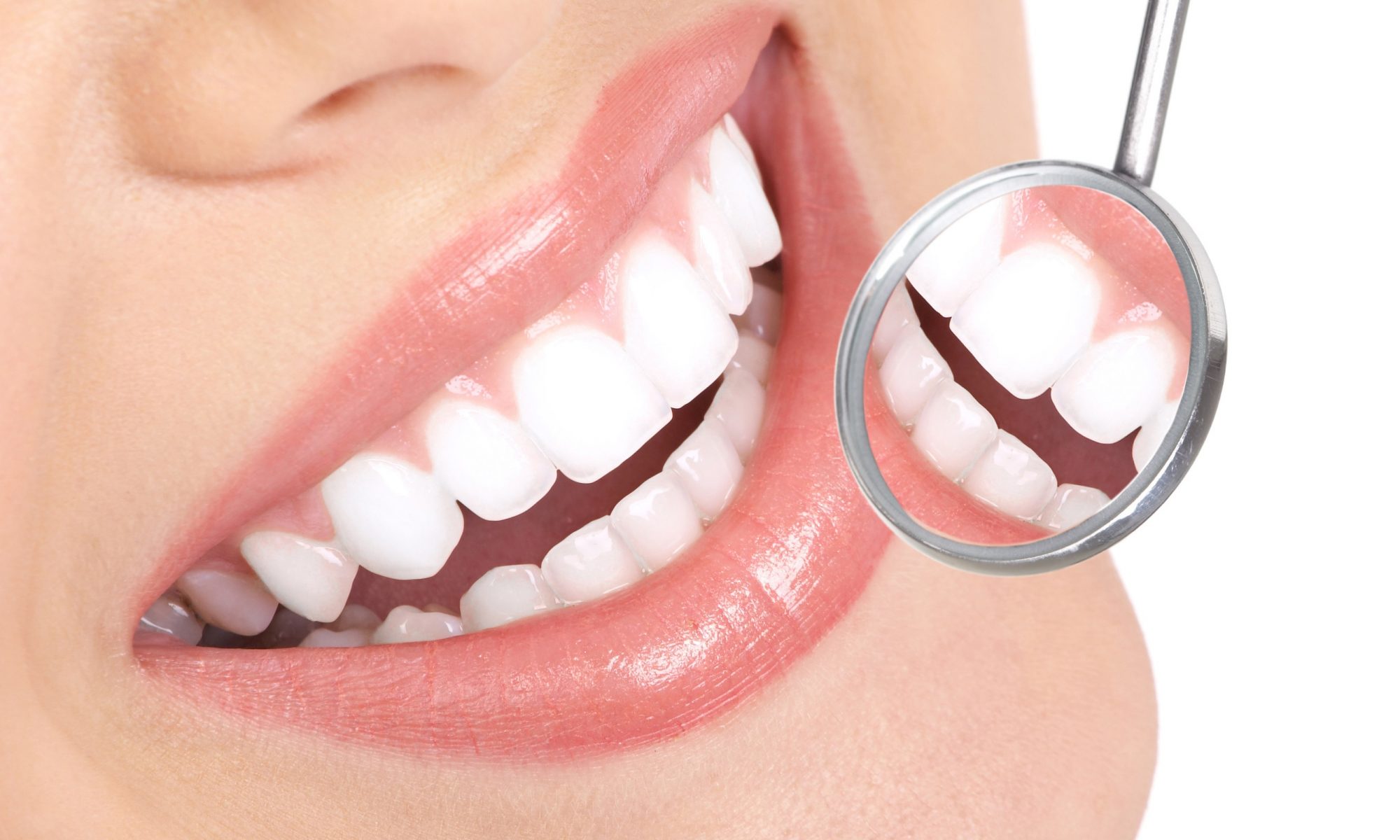
Young woman smiling with perfect dental health

Menopause marks a significant transition in a woman’s life, bringing shifts that affect far more than mood or metabolism. One area that’s often overlooked? Your mouth. As hormone levels—especially estrogen—decline, changes can occur in your gums, saliva production, and even the bone that supports your teeth. Knowing what to expect can help you stay ahead of potential problems and protect your long-term oral health.

Hormonal Changes and Gum Health

Estrogen plays an important role in maintaining healthy gum tissue. When levels drop during menopause, gums can become thinner, less resilient, and more prone to inflammation. Many women notice increased tenderness, redness, or bleeding—even if their brushing and flossing habits haven’t changed.

These symptoms may signal the early stages of gingivitis. Without proper care, inflammation can progress to periodontal (gum) disease, a more serious condition that affects the structures supporting the teeth. Paying attention to subtle changes in your gums during this time is key to preventing more complex dental issues later on.

Dry Mouth: A Common Menopausal Complaint

Another frequent concern during menopause is dry mouth, also known as xerostomia. Saliva is essential for maintaining a healthy balance in your mouth—it helps wash away food particles, neutralize acids, and protect tooth enamel from decay.

When saliva production decreases, harmful bacteria can multiply more easily. This raises the risk of cavities, gum disease, and persistent bad breath. Simple steps like drinking more water, choosing alcohol-free mouth rinses, and chewing sugar-free gum can encourage saliva flow and keep your mouth more comfortable.

Bone Loss and Its Impact on Teeth

Menopause doesn’t just influence soft tissues—it can also affect bone density. Reduced estrogen levels are linked to osteoporosis, a condition that weakens bones throughout the body, including the jaw.

Because your teeth rely on strong jawbone support, decreased bone density can lead to shifting teeth, looseness, or even tooth loss in severe cases. Supporting bone health through adequate calcium and vitamin D intake, regular weight-bearing exercise, and medical guidance can make a meaningful difference in preserving both skeletal and oral stability.

Why Regular Dental Visits Matter More Than Ever

During menopause, routine dental care becomes especially important. Regular checkups allow your dentist to monitor gum health, evaluate bone levels, and address early warning signs before they escalate. Professional cleanings, fluoride applications, and personalized home-care recommendations can help you maintain a healthy, confident smile throughout this life stage.

Taking Charge of Your Oral Health During Menopause

Menopause is a natural process, but its effects on oral health shouldn’t be ignored. By staying informed, maintaining consistent daily care, and partnering closely with your dental professional, you can navigate these changes while keeping your teeth and gums strong.

A proactive approach today can help ensure your smile remains healthy and vibrant for years to come.

If you have questions or would like to learn more, give us a call or make an appointment today with Dr. Schnall at 212-247-7059 or visit our website at www.philipschnalldmd.com.

Dr. Philip Schnall proudly serves Central Park West and all surrounding areas.
What to Know About Tooth Enamel | Central Park West Dentist

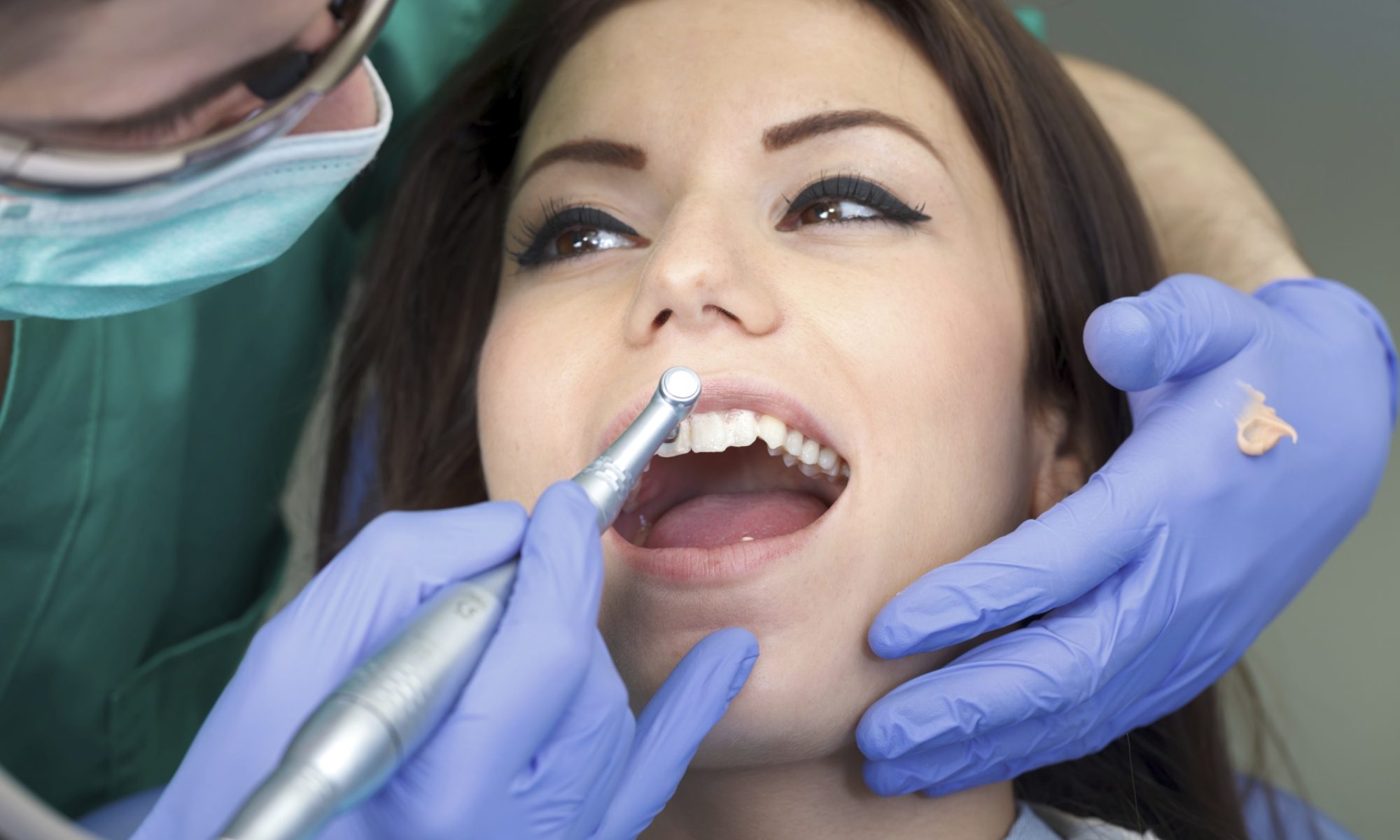
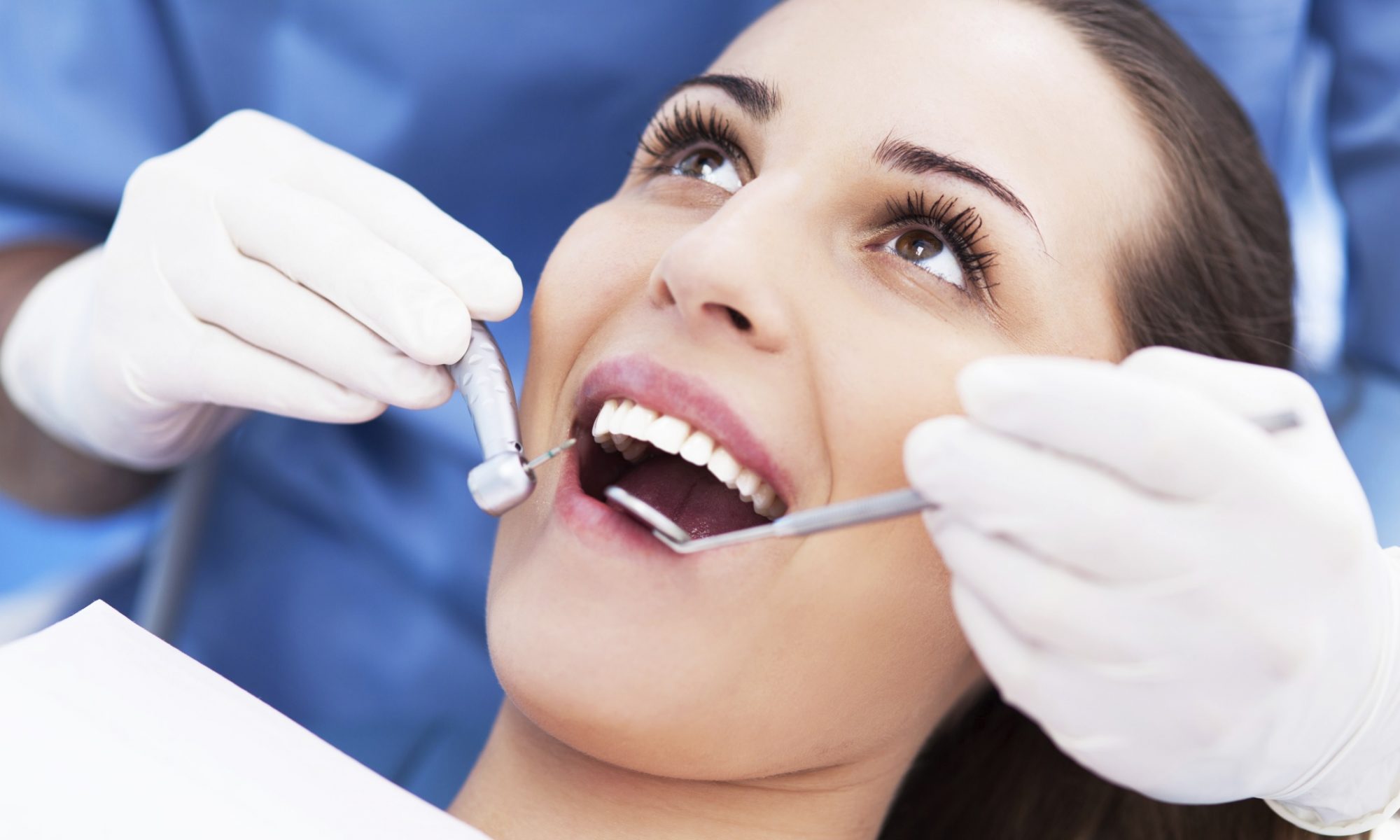
woman receiving dental work

Tooth enamel is the hard, outer layer of your teeth, and it plays a vital role in protecting them from decay, sensitivity, and daily wear. Enamel is the strongest substance in the human body, even stronger than bone, but it is not indestructible. Once enamel is damaged or worn away, it cannot regenerate, which makes protecting it essential for long-term oral health.

Enamel acts as a barrier against acids, bacteria, and physical stress from chewing and grinding. Everyday habits such as consuming sugary or acidic foods, poor oral hygiene, teeth grinding, and even aggressive brushing can gradually weaken enamel. Acid erosion is one of the most common threats, caused by frequent exposure to soda, citrus fruits, sports drinks, and acid reflux.

Fortunately, there are effective ways to strengthen and protect tooth enamel. Using a fluoride toothpaste is one of the most important steps, as fluoride helps remineralize enamel and makes it more resistant to acid attacks. Drinking fluoridated water can provide additional protection. Maintaining a balanced diet that includes calcium- and phosphate-rich foods—such as dairy products, leafy greens, nuts, and fish—also supports enamel health. Limiting acidic snacks and drinks, rinsing your mouth with water after consuming them, and waiting at least 30 minutes before brushing can reduce enamel erosion. Using a soft-bristled toothbrush and gentle brushing technique further helps prevent unnecessary wear.

Despite preventive efforts, enamel can still become damaged, and recognizing early warning signs is crucial. Tooth sensitivity is often one of the first indicators, especially when eating hot, cold, sweet, or acidic foods. Discoloration, such as yellowing teeth, may signal that enamel is thinning and exposing the underlying dentin. You may also notice rough edges, small chips, or increased transparency at the tips of your teeth. In more advanced cases, teeth may appear shiny or develop cracks.

If you experience any of these symptoms, it’s important to consult a dentist promptly. Early intervention can prevent further damage and may include fluoride treatments, dental bonding, or lifestyle adjustments. By understanding the importance of tooth enamel, taking steps to strengthen it, and staying alert to warning signs, you can protect your smile and maintain strong, healthy teeth for years to come.

If you have questions or would like to learn more, give us a call or make an appointment today with Dr. Schnall at 212-247-7059 or visit our website at www.philipschnalldmd.com.

Dr. Philip Schnall proudly serves Central Park West and all surrounding areas.
Dental Implants vs. Bridges: A Guide | Central Park West Dentist

Young woman smiling with perfect dental health

Losing a tooth can significantly impact your oral health, appearance, and self-confidence. Fortunately, modern dentistry offers several solutions for replacing missing teeth, with dental implants and bridges being two of the most popular options. Understanding the differences between these treatments can help you make an informed decision about which is best for your needs.

Continue reading “Dental Implants vs. Bridges: A Guide | Central Park West Dentist”

Routine Dental Visits: A Key to Oral Health | Central Park West Dentist

woman receiving dental work

Routine dental visits are essential for maintaining optimal oral health and preventing dental problems before they become serious. Despite this, many people tend to neglect regular dental check-ups, often waiting until they experience pain or discomfort. Understanding the importance of routine dental visits can encourage individuals to prioritize these appointments, ensuring a healthy smile and overall well-being.

Continue reading “Routine Dental Visits: A Key to Oral Health | Central Park West Dentist”

Oral Care Habits for Kids: A Parent’s Guide | Central Park West Dentist

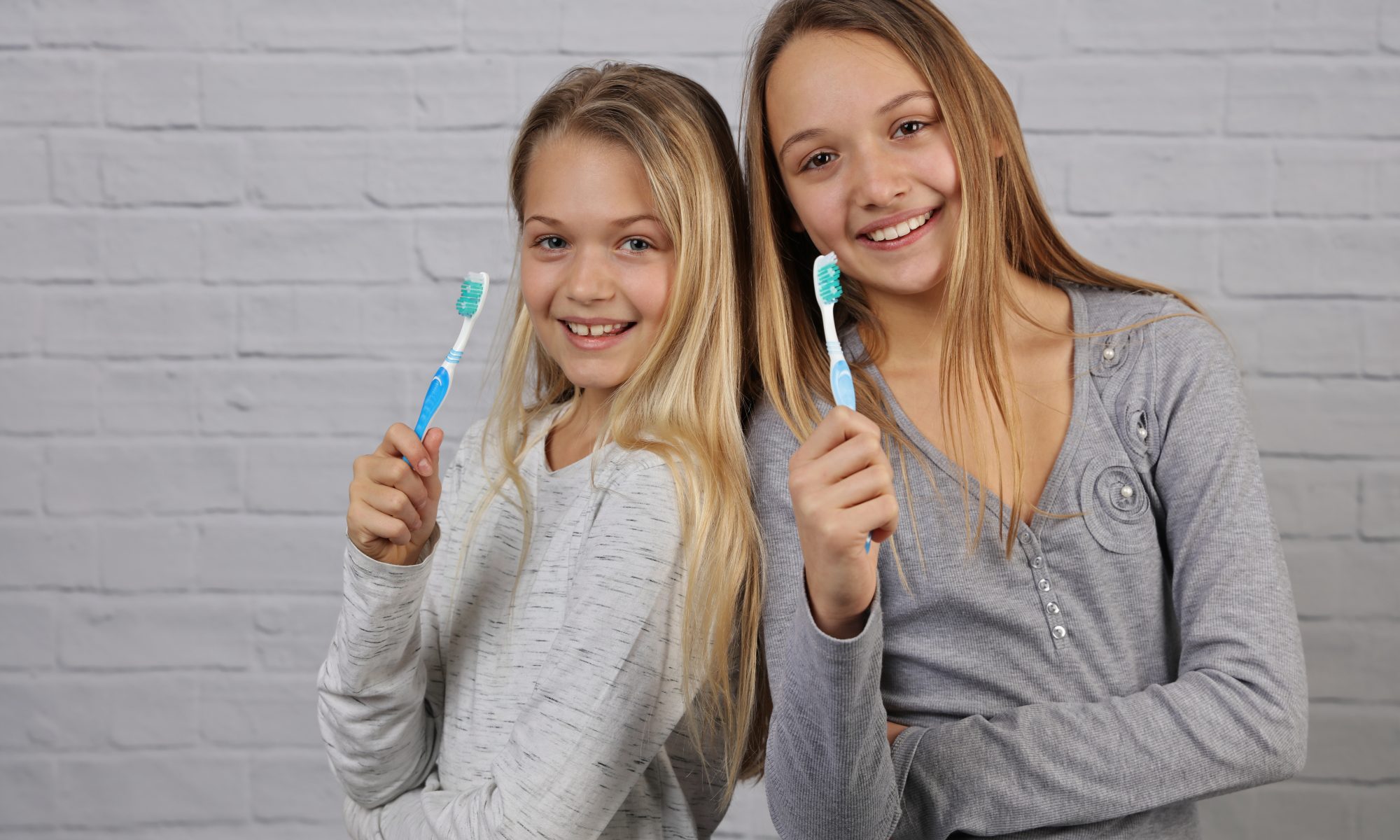
Portrait of two beautiful girls kids with perfect smile holding toothbrushes. Child dental care, oral hygiene concept

Helping children develop good oral care habits is crucial for their long-term dental health. Establishing these habits early can prevent cavities, gum disease, and other dental issues, setting the foundation for a lifetime of healthy smiles. This blog provides practical tips for parents to encourage and cultivate good oral care habits in their children.

Continue reading “Oral Care Habits for Kids: A Parent’s Guide | Central Park West Dentist”

What To Know About Cavities: A Guide | Central Park West Dentist

woman receiving dental work

Cavities, also known as dental caries or tooth decay, are a widespread oral health issue affecting people of all ages. Understanding the causes, prevention methods, and treatment options for cavities is essential for maintaining a healthy smile. This blog explores the intricacies of cavities and provides practical advice on how to keep your teeth cavity-free.

Continue reading “What To Know About Cavities: A Guide | Central Park West Dentist”

What To Know About Common Diseases and Oral Health | Central Park West Dentist

woman brushing teeth

Oral health is often perceived as separate from overall health, but the truth is that the condition of your mouth can have a significant impact on the rest of your body. The mouth serves as a gateway to your body, and maintaining oral hygiene is crucial in preventing a host of common diseases. This blog explores the intricate connection between oral health and systemic health, highlighting the importance of regular dental care.

Continue reading “What To Know About Common Diseases and Oral Health | Central Park West Dentist”