The Importance of Gum Health | Central Park West Dentist

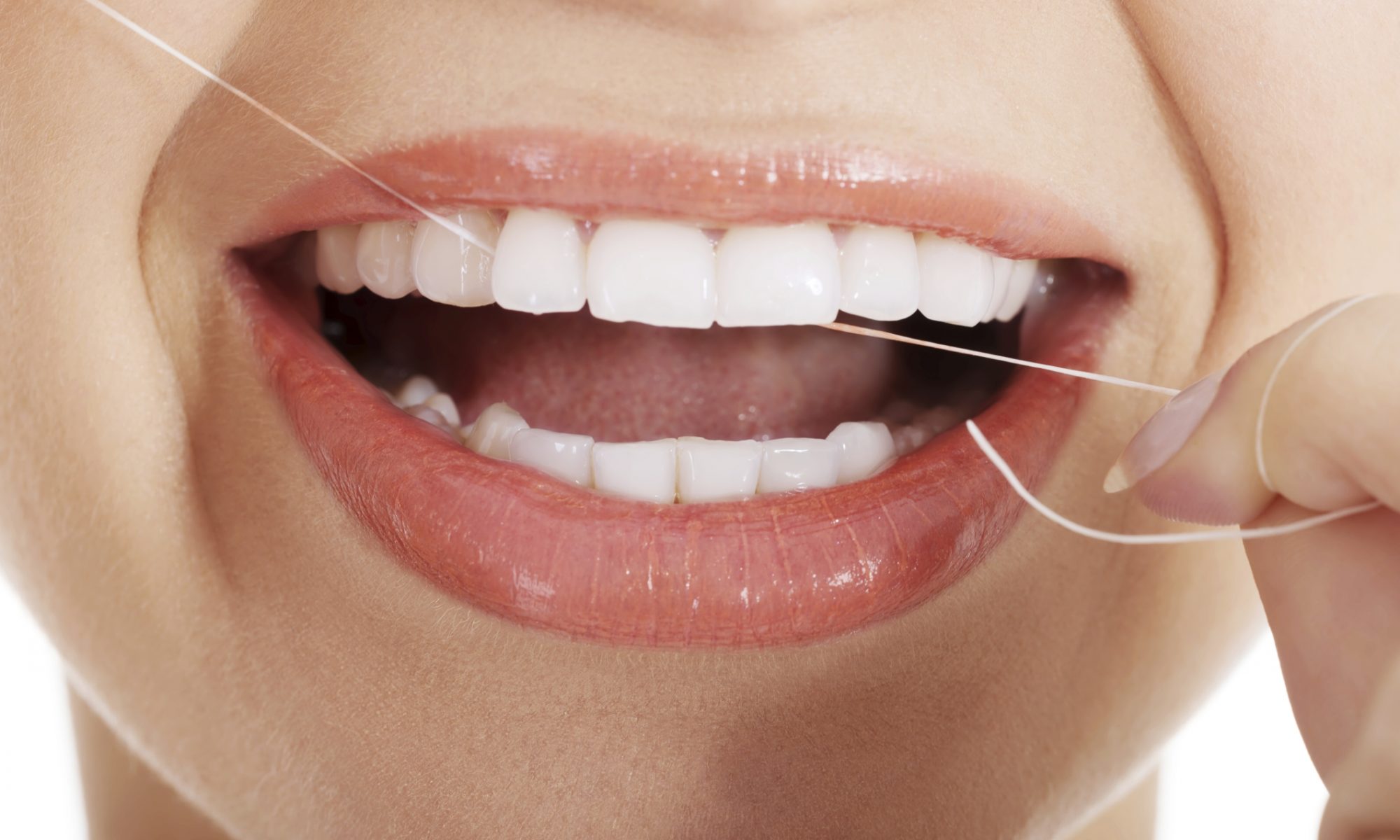
woman flossing

When most people think about oral care, their focus is on teeth—keeping them white, straight, and cavity-free. But your gums are just as important. They form the foundation that holds your teeth in place and act as a protective barrier against bacteria. Without healthy gums, even strong teeth can become vulnerable.

What Healthy Gums Should Look Like

Strong, healthy gums are usually pale pink, firm to the touch, and snug around each tooth. They create a tight seal that helps block harmful bacteria from reaching deeper tissues and bone.

Maintaining that seal requires consistent care. Brushing twice daily, flossing, and scheduling regular dental visits are essential habits. When plaque accumulates along the gumline and isn’t removed, it can harden into tartar. This buildup irritates the gums and can trigger inflammation—the first step toward gum disease.

The Stages of Gum Disease

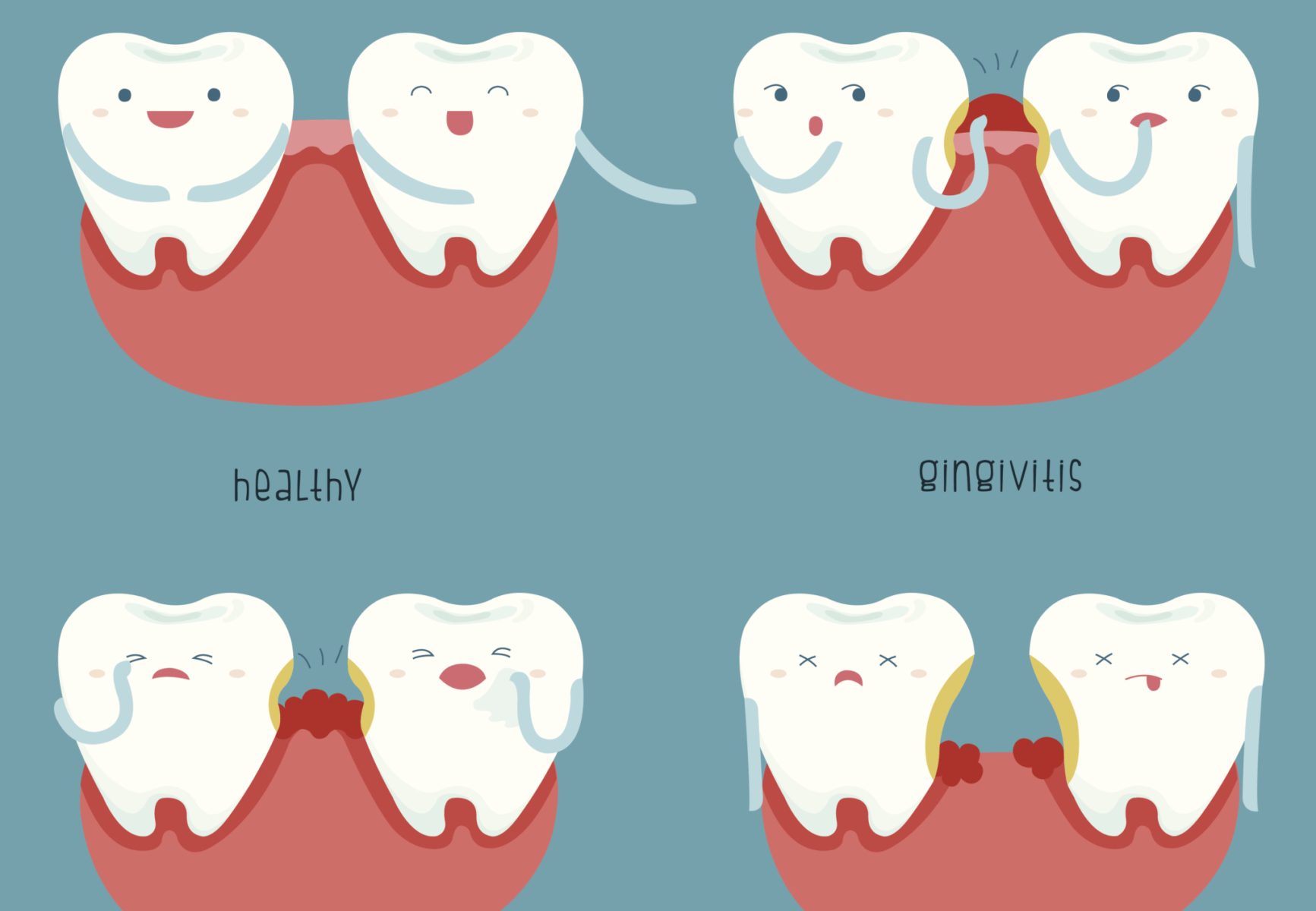
Gum disease doesn’t happen overnight. It typically develops in stages:

Gingivitis

This is the earliest phase and the most manageable. Gums may appear red or swollen and may bleed when brushing or flossing. The good news? With improved home care and professional cleanings, gingivitis can usually be reversed.

Periodontitis

If gingivitis is left untreated, it can advance into periodontitis. At this stage, the infection affects the bone and connective tissues that support your teeth. Over time, this damage may lead to gum recession, shifting teeth, and even tooth loss.

Early intervention makes a significant difference, which is why recognizing symptoms matters.

Warning Signs You Shouldn’t Ignore

Your gums often give clear signals when something isn’t right. Watch for:

  • Bleeding during brushing or flossing
  • Ongoing bad breath or an unpleasant taste
  • Swollen, tender, or receding gums
  • Teeth that appear longer than before
  • New gaps forming between teeth
  • Changes in your bite

In more advanced cases, loose teeth or pus around the gums require immediate professional care.

How to Keep Your Gums Healthy

Protecting your gums involves more than brushing alone. A complete routine should include:

  • Daily flossing or interdental cleaning
  • A balanced, nutrient-rich diet
  • Avoiding tobacco products
  • Managing health conditions such as diabetes
  • Regular dental examinations and cleanings

Routine checkups allow dental professionals to detect and address gum issues early—often before you notice symptoms yourself.

The Bigger Picture

Healthy gums are the cornerstone of a healthy smile. By giving them the attention they deserve, you not only protect your teeth but also support your overall well-being. A consistent oral care routine and regular dental visits go a long way toward preserving strong, resilient gums for years to come.

If you have questions or would like to learn more, give us a call or make an appointment today with Dr. Schnall at 212-247-7059 or visit our website at www.philipschnalldmd.com.

Dr. Philip Schnall proudly serves Central Park West and all surrounding areas.

The Link Between Menopause and Oral Health | Central Park West Dentist

Young woman smiling with perfect dental health

Menopause marks a significant transition in a woman’s life, bringing shifts that affect far more than mood or metabolism. One area that’s often overlooked? Your mouth. As hormone levels—especially estrogen—decline, changes can occur in your gums, saliva production, and even the bone that supports your teeth. Knowing what to expect can help you stay ahead of potential problems and protect your long-term oral health.

Hormonal Changes and Gum Health

Estrogen plays an important role in maintaining healthy gum tissue. When levels drop during menopause, gums can become thinner, less resilient, and more prone to inflammation. Many women notice increased tenderness, redness, or bleeding—even if their brushing and flossing habits haven’t changed.

These symptoms may signal the early stages of gingivitis. Without proper care, inflammation can progress to periodontal (gum) disease, a more serious condition that affects the structures supporting the teeth. Paying attention to subtle changes in your gums during this time is key to preventing more complex dental issues later on.

Dry Mouth: A Common Menopausal Complaint

Another frequent concern during menopause is dry mouth, also known as xerostomia. Saliva is essential for maintaining a healthy balance in your mouth—it helps wash away food particles, neutralize acids, and protect tooth enamel from decay.

When saliva production decreases, harmful bacteria can multiply more easily. This raises the risk of cavities, gum disease, and persistent bad breath. Simple steps like drinking more water, choosing alcohol-free mouth rinses, and chewing sugar-free gum can encourage saliva flow and keep your mouth more comfortable.

Bone Loss and Its Impact on Teeth

Menopause doesn’t just influence soft tissues—it can also affect bone density. Reduced estrogen levels are linked to osteoporosis, a condition that weakens bones throughout the body, including the jaw.

Because your teeth rely on strong jawbone support, decreased bone density can lead to shifting teeth, looseness, or even tooth loss in severe cases. Supporting bone health through adequate calcium and vitamin D intake, regular weight-bearing exercise, and medical guidance can make a meaningful difference in preserving both skeletal and oral stability.

Why Regular Dental Visits Matter More Than Ever

During menopause, routine dental care becomes especially important. Regular checkups allow your dentist to monitor gum health, evaluate bone levels, and address early warning signs before they escalate. Professional cleanings, fluoride applications, and personalized home-care recommendations can help you maintain a healthy, confident smile throughout this life stage.

Taking Charge of Your Oral Health During Menopause

Menopause is a natural process, but its effects on oral health shouldn’t be ignored. By staying informed, maintaining consistent daily care, and partnering closely with your dental professional, you can navigate these changes while keeping your teeth and gums strong.

A proactive approach today can help ensure your smile remains healthy and vibrant for years to come.

If you have questions or would like to learn more, give us a call or make an appointment today with Dr. Schnall at 212-247-7059 or visit our website at www.philipschnalldmd.com.

Dr. Philip Schnall proudly serves Central Park West and all surrounding areas.

What To Know About Cavities: A Guide | Central Park West Dentist

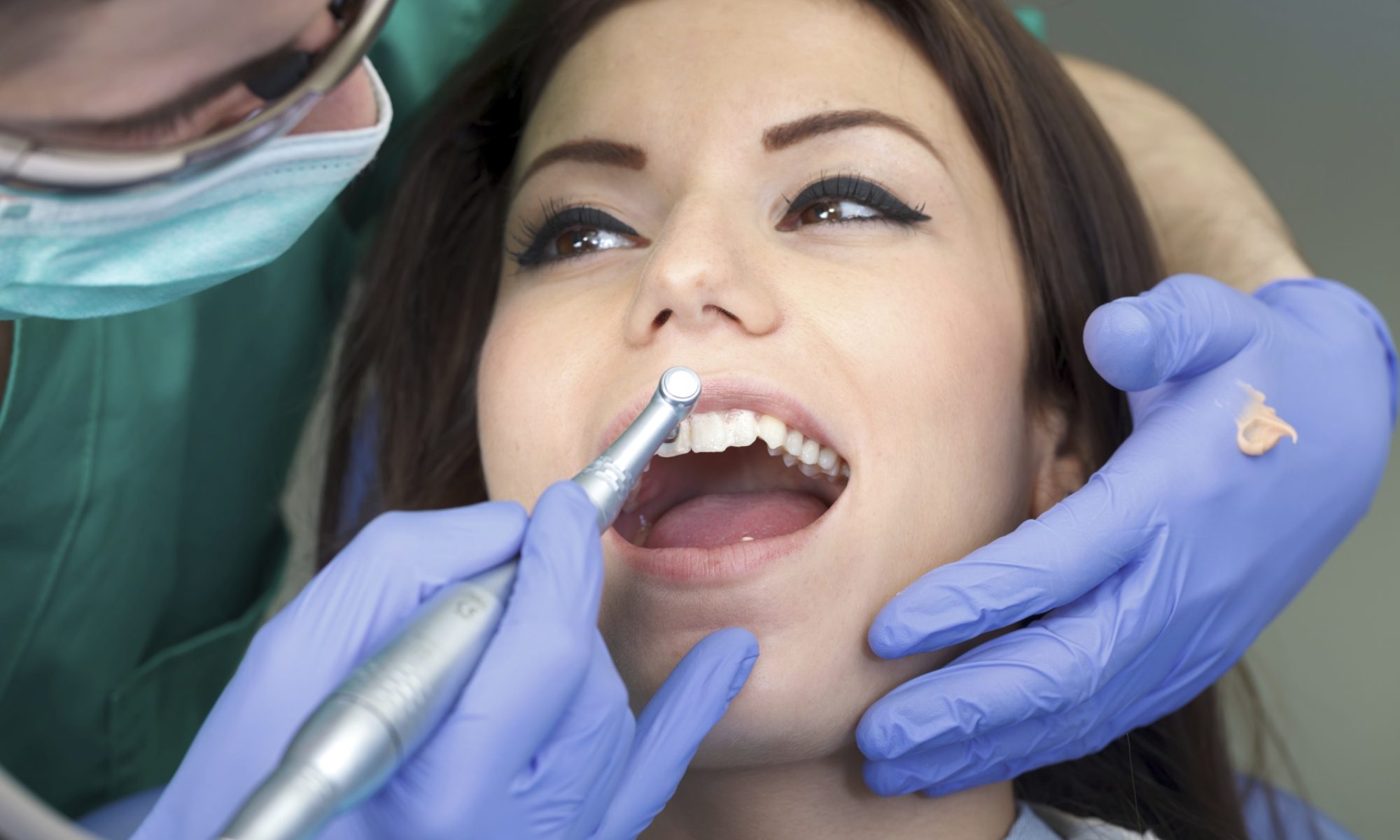
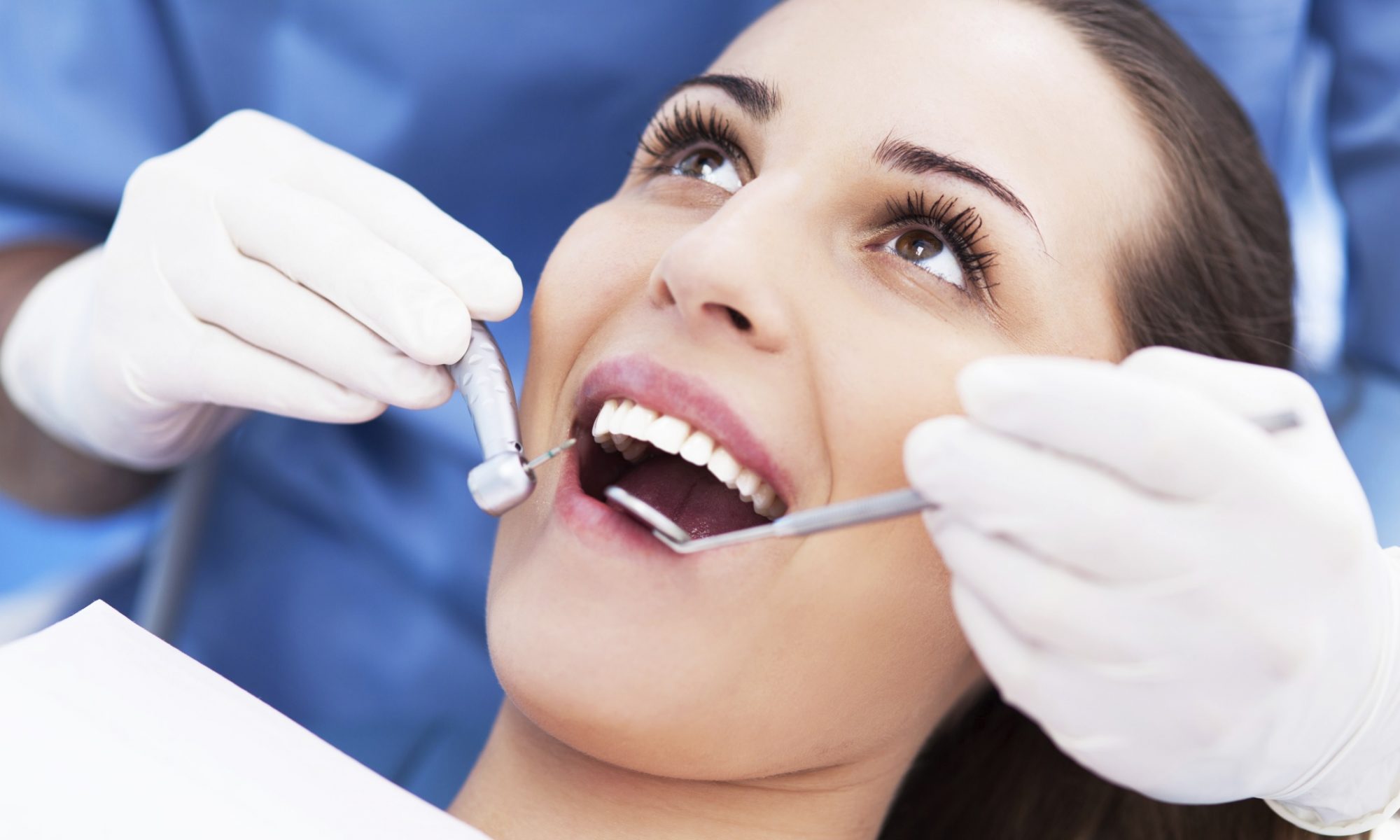
woman receiving dental work

Cavities, also known as dental caries or tooth decay, are a widespread oral health issue affecting people of all ages. Understanding the causes, prevention methods, and treatment options for cavities is essential for maintaining a healthy smile. This blog explores the intricacies of cavities and provides practical advice on how to keep your teeth cavity-free.

Continue reading “What To Know About Cavities: A Guide | Central Park West Dentist”

What To Know About Common Diseases and Oral Health | Central Park West Dentist

woman brushing teeth

Oral health is often perceived as separate from overall health, but the truth is that the condition of your mouth can have a significant impact on the rest of your body. The mouth serves as a gateway to your body, and maintaining oral hygiene is crucial in preventing a host of common diseases. This blog explores the intricate connection between oral health and systemic health, highlighting the importance of regular dental care.

Continue reading “What To Know About Common Diseases and Oral Health | Central Park West Dentist”

Stages of Periodontal Disease | Central Park West Dentist

graphic of the stages of periodontal disease

Periodontal disease, commonly known as gum disease, is a progressive condition that affects the tissues supporting the teeth. It begins with mild inflammation of the gums (gingivitis) and, if left untreated, can advance to more severe stages, leading to significant damage to the gums, bone, and ultimately tooth loss. Here’s how periodontal disease progresses through its stages:

Continue reading “Stages of Periodontal Disease | Central Park West Dentist”

Unveiling the Truth Behind Common Dental Hygiene Misconceptions | Central Park West Dentist

Taking chewing gum

Dental hygiene plays a crucial role in maintaining overall health, yet myths and misconceptions often cloud the path to optimal oral care. In this blog post, we will debunk some prevalent dental hygiene myths to help you make informed decisions and achieve a healthier smile.

Continue reading “Unveiling the Truth Behind Common Dental Hygiene Misconceptions | Central Park West Dentist”

How Salt Can Help Your Smile | Central Park West Dentist

After a long holiday season, it may be possible for us to develop a toothache. After all, there are so many events filled with tasty eats, overindulging can sometimes have an effect on your smile. Thankfully, there is a quick solution to help ease the pain.

Sure, it tastes like you are drinking a glass of ocean water, but a warm saltwater rinse can be highly beneficial to your oral health. It is more than just a disinfectant; it also helps in removing swelling of oral tissues. Here are just a few ways swishing some saltwater can help:

Halitosis. While poor oral hygiene is a cause for halitosis, or bad breath, rinsing your mouth with salt water can prevent bacterial growth and infection, which often causes halitosis.

Gingivitis. Gingivitis is a typical condition characterized by swelling, inflammation and bleeding gums. Bacteria proliferation forms a sticky and whitish film, called plaque. Rinsing the mouth with salt water solution daily can help in soothing inflamed gums and wipes out bacteria.

Toothache. Toothache can happen to anyone; it is a common complication caused by several reasons. While bacteria are the main cause, weak roots or open nerve endings can also lead to sensitivity and throbbing in teeth. Gargling regularly with salt water can offer some relief.

Sore throat. Sore throat can cause you to cough, only adding to the pain your throat feels. Saltwater gargle can help in relieving soreness.

Salt water has been used by multiple cultures over countless generations to clean wounds and rinse out mouths, but it should not be swallowed in quantity. Talk to your dentist about the benefits of washing your mouth with salt water. To make a saltwater solution, mix 1 tsp of salt to 1 cup of warm water.

If you have questions or concerns about salt water rinse, make an appointment today with Dr. Schnall at 212-247-7059 or visit our website at www.philipschnalldmd.com.

Dr. Philip Schnall proudly serves Central Park West and all surrounding areas.

Alternatives to Toothpaste | Central Park West Dentist

We all know that there are a few tools we need in order to maintain a healthy smile – a toothbrush, some toothpaste, floss and mouthwash. With these tools, we can achieve not only a healthy mouth but a bright smile that you’ll love to show off.

But what if you don’t have toothpaste handy, or you’ve just run out and don’t have time to run to the shop? There are some ways you can make your own toothpaste using very regular household items. Check it out!

Baking soda. There are lots of toothpastes that contain baking soda, so this shouldn’t sound so foreign to anyone. This ingredient helps whiten teeth and remove plaque. Simply place some on your finger, paper towel, or washcloth before brushing your teeth.

Saltwater. Salt has natural antibacterial qualities that can help eliminate some of the plaque-causing germs in your mouth when you don’t have any toothpaste. Simply combine 1–2 teaspoons of salt to 8 ounces of lukewarm water and allow the salt to dissolve in the water. Then dip your finger, paper towel, or washcloth in the saltwater before brushing your teeth, or use the elixir as a rinse afterwards. Just be aware that salt can corrode metal fillings so if you have some, don’t use this method too frequently.

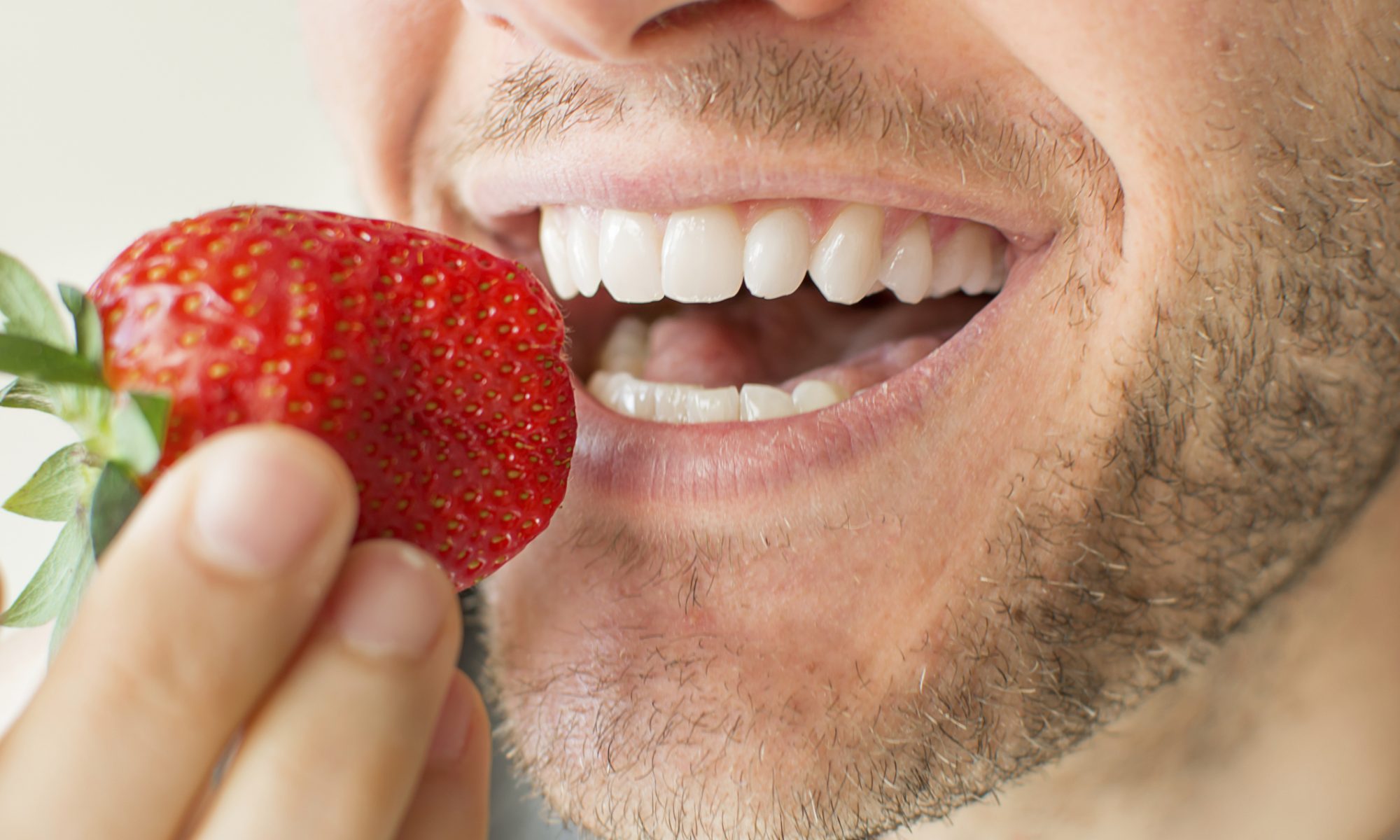
Strawberries. This may sound crazy to you, but strawberries have malic acid, which can help whiten teeth, vitamin C, to maintain gum health, and an astringent that helps remove plaque. So, crush up some strawberries & apply to your teeth, even when mixed in some baking soda. When you finish, rinse well with water as strawberries still have sugar and fructose, both of which can cause tooth decay.

If you have questions or concerns about toothpaste alternatives, make an appointment today with Dr. Schnall at 212-247-7059 or visit our website at www.philipschnalldmd.com.

Dr. Philip Schnall proudly serves Central Park West and all surrounding areas.