Saliva Matters: Here’s Why | Central Park West Dentist

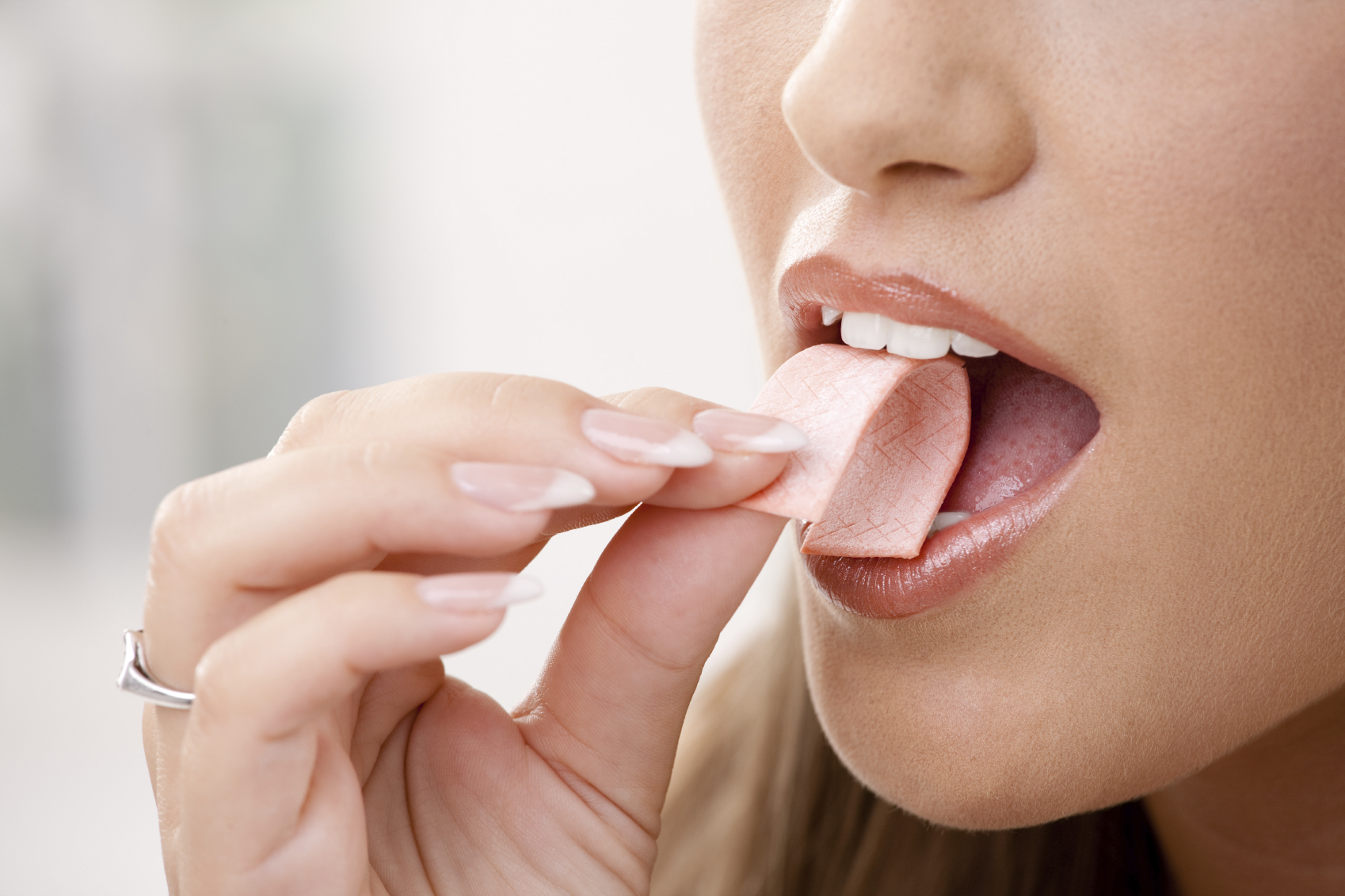
Taking chewing gum

When people think about oral health, they usually picture brushing, flossing, and dental checkups. Rarely does anyone give much thought to saliva. Yet this naturally occurring fluid is one of the most important protectors of your teeth and gums, quietly working around the clock to keep your mouth healthy.

Your Mouth’s Natural Defense System

Saliva does far more than prevent your mouth from feeling dry. Every time you eat—especially sugary or starchy foods—harmful acids are created by bacteria in your mouth. These acids can weaken and wear down tooth enamel, eventually leading to cavities.

Saliva steps in as a built-in buffering system. It helps neutralize these acids and restore a healthy pH balance in your mouth. Even more impressive, it delivers essential minerals like calcium and phosphate that help rebuild and strengthen enamel in the early stages of decay. This natural repair process, known as remineralization, can stop minor damage before it turns into a cavity.

Keeping Harmful Bacteria in Check

Your mouth contains millions of bacteria at any given time. While many are harmless, some contribute to plaque buildup, gum disease, and persistent bad breath.

Saliva helps manage this bacterial population in two key ways:

  • Rinsing action: It washes away food debris and loose bacteria before they can cling to teeth and gums.
  • Antimicrobial properties: It contains proteins and enzymes that slow bacterial growth and reduce the risk of infection.

Without adequate saliva, bacteria can multiply more easily, increasing the likelihood of oral health problems.

Supporting Gums and Soft Tissues

Healthy gums and oral tissues rely on proper moisture. Saliva keeps the lining of your mouth hydrated, preventing irritation, cracking, and sores. For individuals who wear dentures, sufficient saliva is especially important. It reduces friction, improves comfort, and helps prevent painful ulcers.

Essential for Speaking, Tasting, and Digestion

Saliva also plays a crucial role in daily functions. It begins the digestive process by breaking down food as you chew. It makes swallowing smoother, enhances your ability to taste, and allows you to speak comfortably. A lack of saliva can make even simple activities like talking or eating feel difficult.

The Impact of Dry Mouth

When saliva production drops—a condition known as xerostomia or dry mouth—the consequences can escalate quickly. The risk of cavities, gum disease, and oral infections rises significantly.

Common causes of reduced saliva flow include:

  • Certain medications
  • Dehydration
  • Stress
  • Aging
  • Medical conditions affecting the salivary glands

If dry mouth persists, it’s important to seek professional advice.

Protecting Your Oral Health

Supporting healthy saliva production is easier than you might think. Staying well hydrated, maintaining consistent oral hygiene habits, and scheduling regular dental visits all contribute to a healthier mouth.

Though it often goes unnoticed, saliva is one of your body’s most powerful tools for maintaining strong teeth, healthy gums, and overall oral comfort. Taking steps to protect it means taking a major step toward long-term dental wellness.

If you have questions or would like to learn more, give us a call or make an appointment today with Dr. Schnall at 212-247-7059 or visit our website at www.philipschnalldmd.com.

Dr. Philip Schnall proudly serves Central Park West and all surrounding areas.

The Power of a Confident Smile | Central Park West Dentist

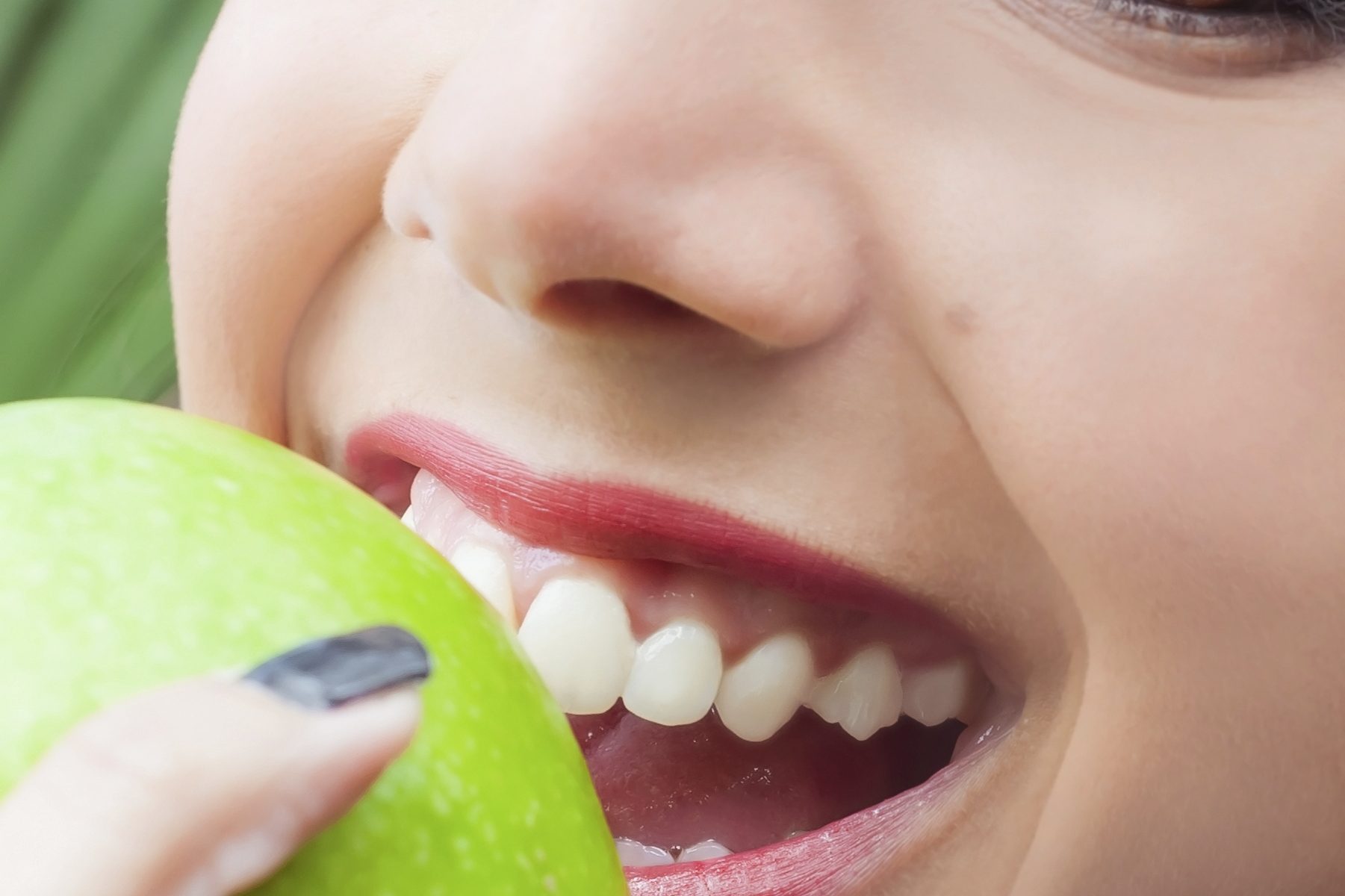
girl eating apple

Your smile does more than reflect happiness—it shapes how others see you and how you see yourself. In both personal and professional environments, a genuine, healthy smile can influence first impressions, strengthen relationships, and even open doors in your career. Its impact goes far beyond appearance.

First Impressions Start with a Smile

In meetings, interviews, and networking events, people often form opinions within seconds. A warm smile can immediately signal approachability, confidence, and sincerity. Professionals who smile comfortably tend to be viewed as more trustworthy and capable, which can positively affect hiring decisions, client relationships, and leadership opportunities.

On the other hand, feeling insecure about your teeth may cause you to hold back your smile. Even subtle hesitation can be interpreted as discomfort or lack of confidence, potentially influencing how colleagues or employers perceive you.

The Confidence Connection

Smiling doesn’t just influence others—it changes how you feel internally. When you smile, your brain releases mood-boosting chemicals that help reduce stress and promote a sense of well-being. If you feel proud of your smile, you’re more likely to engage in conversations, contribute ideas, and take initiative in group settings.

Confidence often builds momentum. The more comfortable you are presenting yourself, the more naturally you project leadership, competence, and positivity—qualities that are highly valued in the workplace.

Oral Health and Self-Assurance

A confident smile begins with healthy teeth and gums. Concerns such as staining, chips, gaps, or misalignment can make people self-conscious in social situations. Even issues like persistent bad breath can create anxiety during close conversations.

Consistent dental care plays a key role in maintaining both health and appearance. Routine cleanings, preventive treatments, and cosmetic options—such as whitening or minor restorative procedures—can significantly enhance how you feel about your smile. When your oral health is strong, you’re free to express yourself without hesitation.

Smiling as a Professional Advantage

In collaborative environments, a smile fosters connection. It can ease tension during negotiations, encourage teamwork, and create a welcoming atmosphere. Leaders who smile are often seen as more relatable, while employees who communicate with warmth may build stronger rapport with clients and coworkers alike.

Whether you’re delivering a presentation, interviewing for a new role, or leading a team meeting, smiling comfortably can improve communication and help you leave a memorable, positive impression.

An Investment That Goes Beyond Appearance

Taking care of your smile isn’t just about aesthetics—it’s about confidence, communication, and opportunity. By prioritizing your oral health and addressing any concerns that make you hesitant to smile, you’re investing in your personal brand and professional growth.

A healthy smile empowers you to show up fully, connect authentically, and move forward with assurance in every area of life.

If you have questions or would like to learn more, give us a call or make an appointment today with Dr. Schnall at 212-247-7059 or visit our website at www.philipschnalldmd.com.

Dr. Philip Schnall proudly serves Central Park West and all surrounding areas.

What to Know About Tooth Enamel | Central Park West Dentist

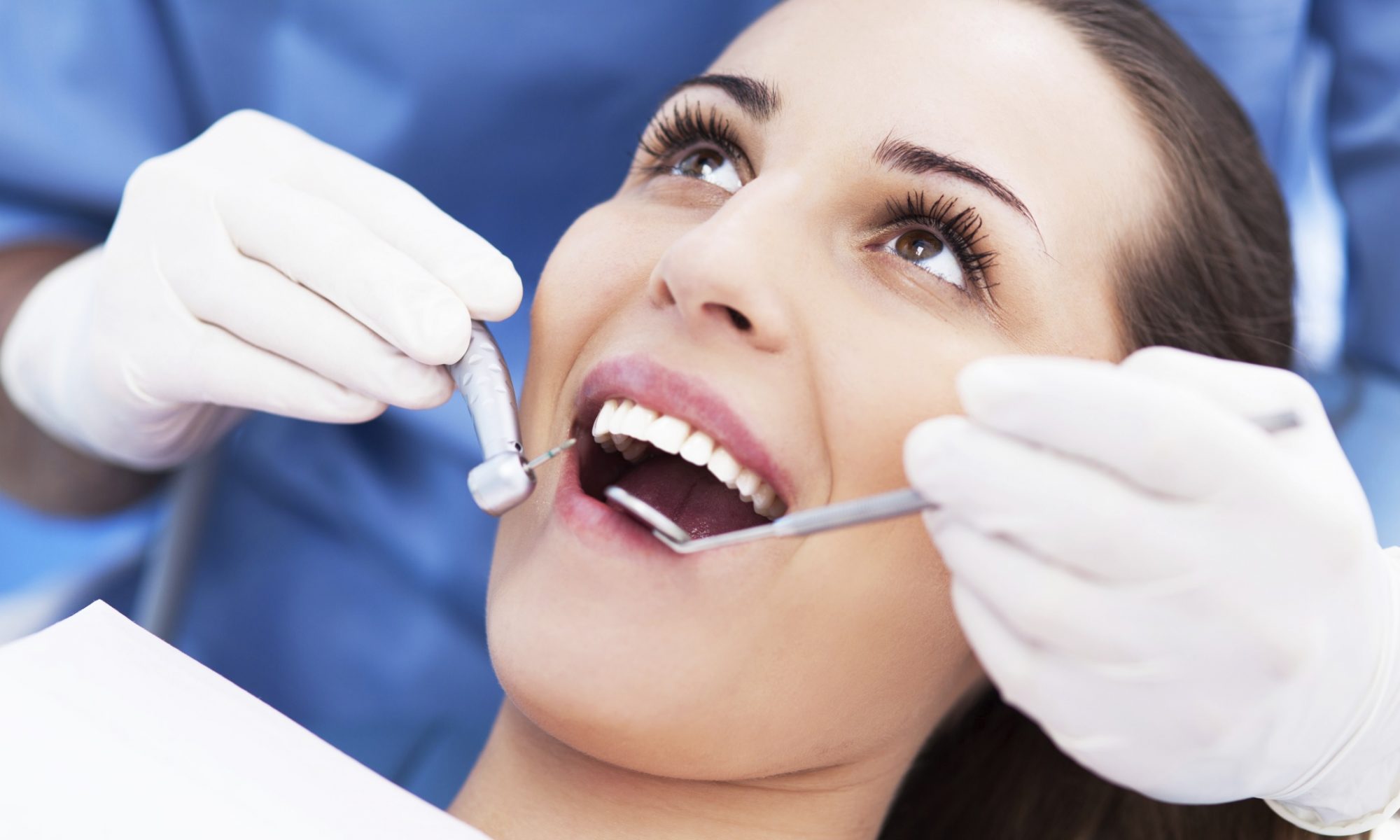
woman receiving dental work

Tooth enamel is the hard, outer layer of your teeth, and it plays a vital role in protecting them from decay, sensitivity, and daily wear. Enamel is the strongest substance in the human body, even stronger than bone, but it is not indestructible. Once enamel is damaged or worn away, it cannot regenerate, which makes protecting it essential for long-term oral health.

Enamel acts as a barrier against acids, bacteria, and physical stress from chewing and grinding. Everyday habits such as consuming sugary or acidic foods, poor oral hygiene, teeth grinding, and even aggressive brushing can gradually weaken enamel. Acid erosion is one of the most common threats, caused by frequent exposure to soda, citrus fruits, sports drinks, and acid reflux.

Fortunately, there are effective ways to strengthen and protect tooth enamel. Using a fluoride toothpaste is one of the most important steps, as fluoride helps remineralize enamel and makes it more resistant to acid attacks. Drinking fluoridated water can provide additional protection. Maintaining a balanced diet that includes calcium- and phosphate-rich foods—such as dairy products, leafy greens, nuts, and fish—also supports enamel health. Limiting acidic snacks and drinks, rinsing your mouth with water after consuming them, and waiting at least 30 minutes before brushing can reduce enamel erosion. Using a soft-bristled toothbrush and gentle brushing technique further helps prevent unnecessary wear.

Despite preventive efforts, enamel can still become damaged, and recognizing early warning signs is crucial. Tooth sensitivity is often one of the first indicators, especially when eating hot, cold, sweet, or acidic foods. Discoloration, such as yellowing teeth, may signal that enamel is thinning and exposing the underlying dentin. You may also notice rough edges, small chips, or increased transparency at the tips of your teeth. In more advanced cases, teeth may appear shiny or develop cracks.

If you experience any of these symptoms, it’s important to consult a dentist promptly. Early intervention can prevent further damage and may include fluoride treatments, dental bonding, or lifestyle adjustments. By understanding the importance of tooth enamel, taking steps to strengthen it, and staying alert to warning signs, you can protect your smile and maintain strong, healthy teeth for years to come.

If you have questions or would like to learn more, give us a call or make an appointment today with Dr. Schnall at 212-247-7059 or visit our website at www.philipschnalldmd.com.

Dr. Philip Schnall proudly serves Central Park West and all surrounding areas.

Routine Dental Visits: A Key to Oral Health | Central Park West Dentist

woman receiving dental work

Routine dental visits are essential for maintaining optimal oral health and preventing dental problems before they become serious. Despite this, many people tend to neglect regular dental check-ups, often waiting until they experience pain or discomfort. Understanding the importance of routine dental visits can encourage individuals to prioritize these appointments, ensuring a healthy smile and overall well-being.

Continue reading “Routine Dental Visits: A Key to Oral Health | Central Park West Dentist”

The Importance of Consistent Oral Hygiene Habits | Central Park West Dentist

Young woman smiling with perfect dental health

Maintaining optimal oral hygiene is a cornerstone of overall health and well-being. Our mouths are the gateway to our bodies, and the state of our oral health can have a significant impact on various aspects of our lives. Developing and consistently practicing good oral hygiene habits is essential for preventing dental issues, ensuring fresh breath, and promoting overall health.

Continue reading “The Importance of Consistent Oral Hygiene Habits | Central Park West Dentist”

Understanding and Managing Tooth Sensitivity: A Guide | Central Park West Dentist

woman with dental anxiety

Tooth sensitivity is a common dental concern that affects millions of people worldwide. Whether it’s a sudden jolt of pain while enjoying an ice cream cone or a twinge when sipping hot coffee, sensitive teeth can be a real discomfort. In this blog post, we’ll delve into the causes of tooth sensitivity and explore effective strategies for managing and preventing this common dental issue.

Continue reading “Understanding and Managing Tooth Sensitivity: A Guide | Central Park West Dentist”

How Diabetes Can Affect Your Smile’s Health | Central Park West Dentist

Diabetes sugar disease ill illness healthy health doctor

Diabetes is a disease that affects more and more people every day, but did you know that it affects more than just your blood sugar? It’s true. Diabetes not only needs to be monitored to maintain your overall health, but not taking care of your diabetes can also affect your mouth. Let’s explain.

Continue reading “How Diabetes Can Affect Your Smile’s Health | Central Park West Dentist”