Exploring the Diverse World of Dental Specialties | Central Park West Dentist

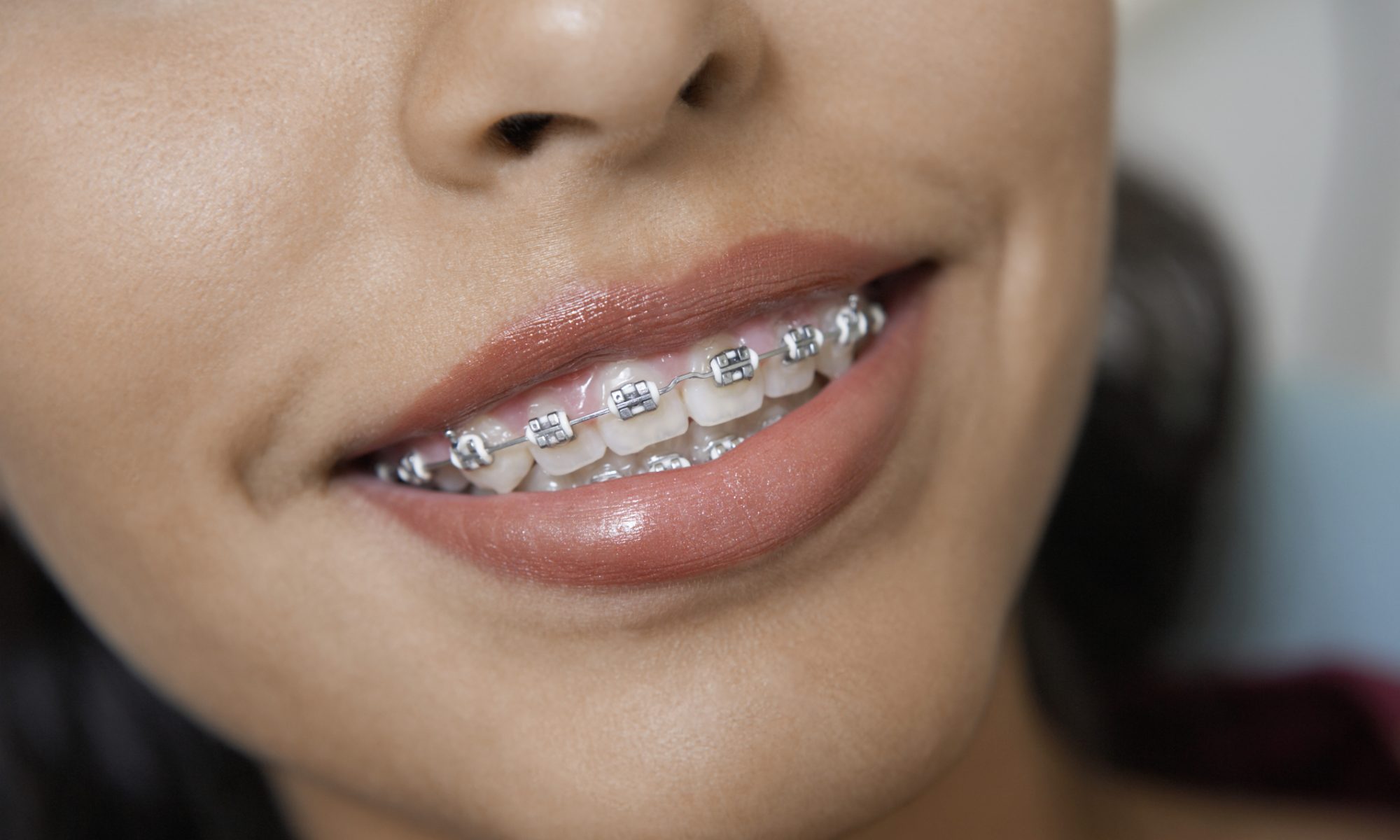
woman with braces

Dentistry is a multifaceted field with a range of specialized branches, each focusing on specific aspects of oral health. These dental specialties play a crucial role in ensuring comprehensive care for patients. In this blog post, we’ll delve into some of the prominent dental specialties, shedding light on the unique roles they play in maintaining and improving oral health.

Continue reading “Exploring the Diverse World of Dental Specialties | Central Park West Dentist”

The Path to Excellence: Becoming a Board-Certified Dentist | Central Park West Dentist

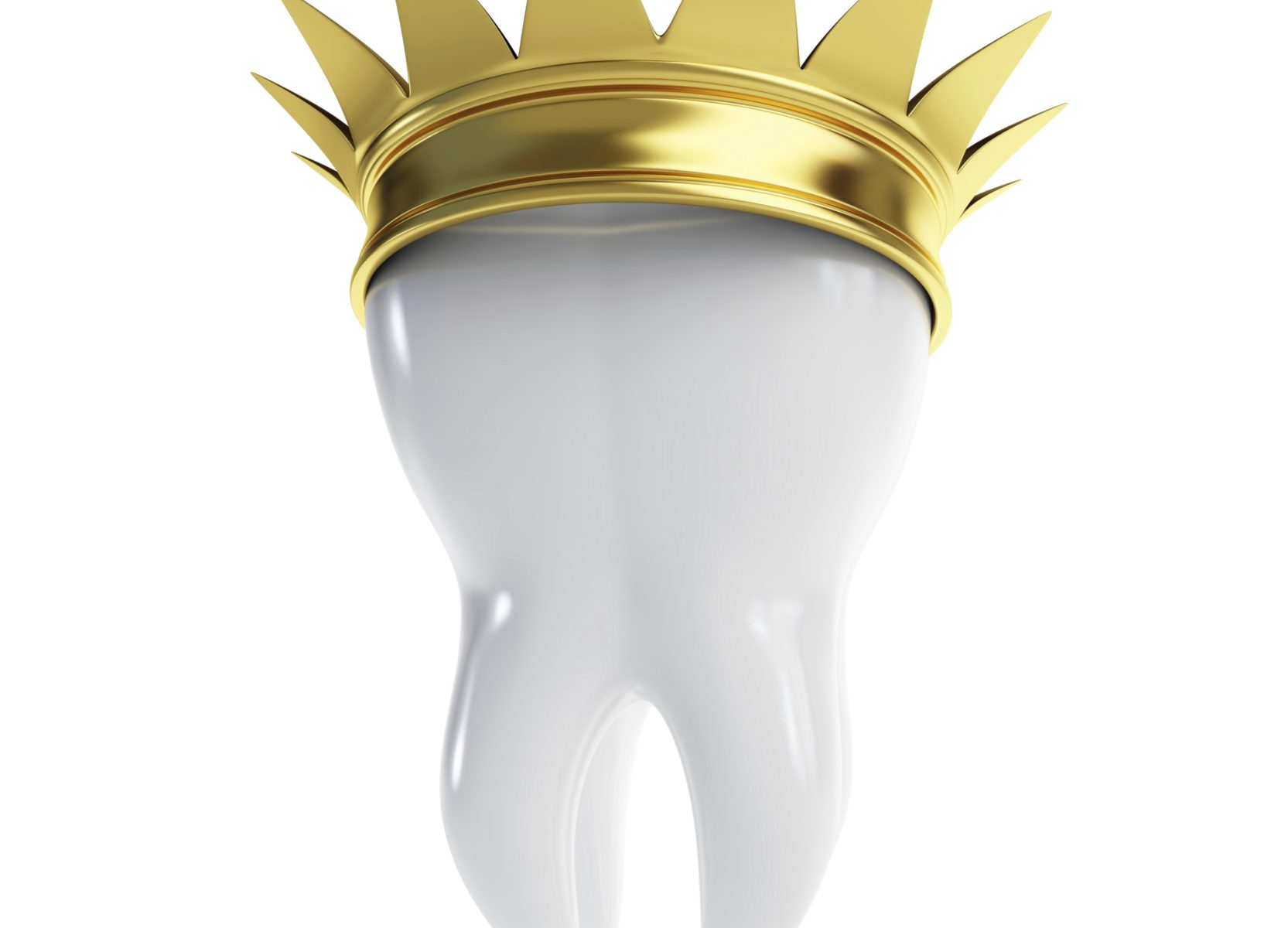
dental crown

Embarking on the journey to become a board-certified dentist is a commendable pursuit that requires dedication, education, and a passion for oral health. This transformative path not only elevates your professional status but also ensures a commitment to the highest standards of patient care. In this blog post, we’ll explore the essential steps and key considerations for those aspiring to achieve board certification in dentistry.

Continue reading “The Path to Excellence: Becoming a Board-Certified Dentist | Central Park West Dentist”

The Symptoms, Treatment, and Prevention of Oral Herpes | Central Park West Dentist

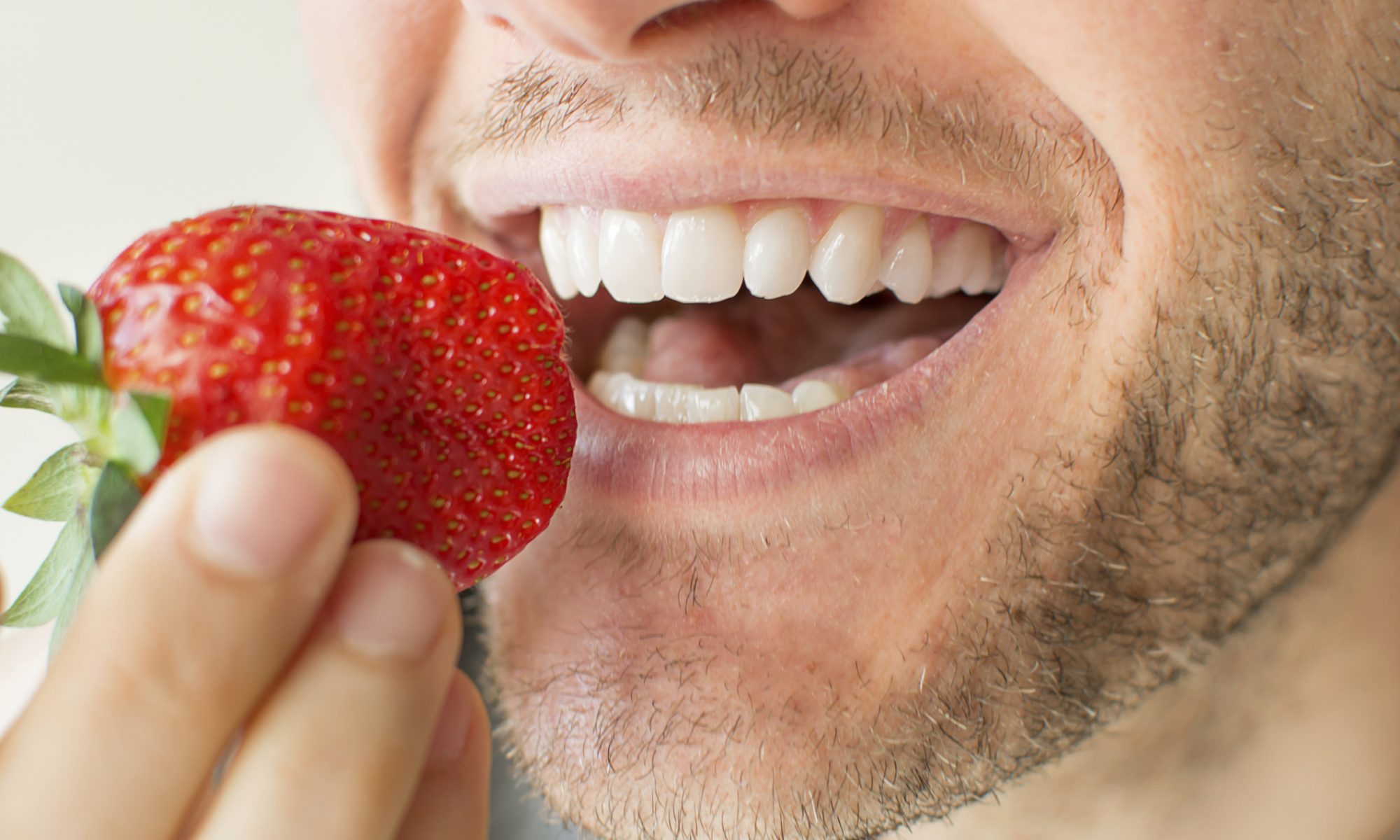
man eating a strawberry

Oral herpes, commonly known as cold sores or fever blisters, is a prevalent viral infection caused by the herpes simplex virus (HSV). While it may not be a comfortable topic to discuss, understanding oral herpes is crucial for promoting awareness, reducing stigma, and preventing its spread.

Continue reading “The Symptoms, Treatment, and Prevention of Oral Herpes | Central Park West Dentist”

The Lighter Side of Medicine: What To Know About Laughing Gas | Central Park West Dentist

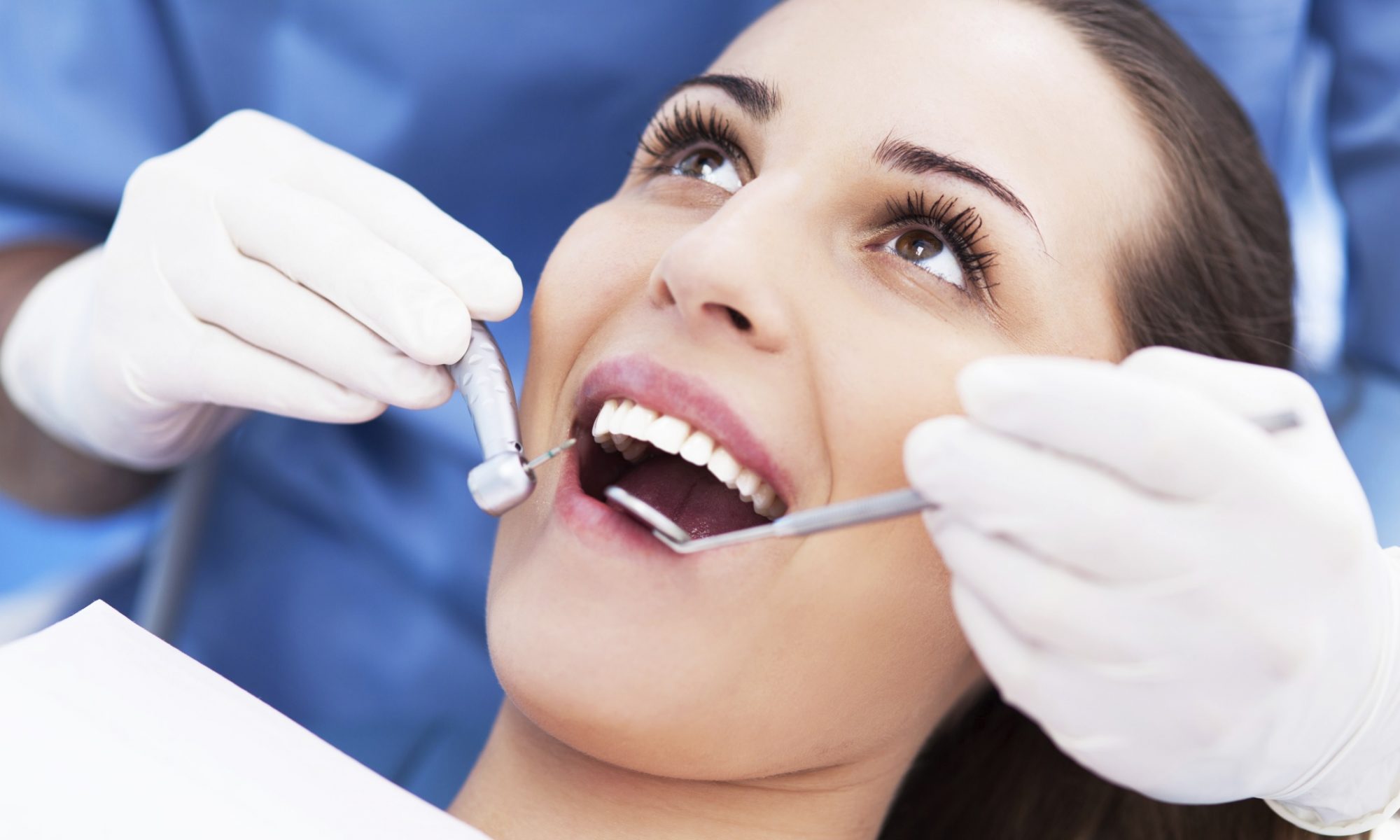
woman receiving dental work

Laughter, they say, is the best medicine. But what if you could literally inhale laughter? Enter nitrous oxide, more commonly known as laughing gas, a fascinating and widely used anesthetic with a side effect that has everyone smiling – uncontrollable fits of laughter. Let’s take a closer look at this whimsical gas and its surprising role in the world of medicine.

Continue reading “The Lighter Side of Medicine: What To Know About Laughing Gas | Central Park West Dentist”

How IV Sedation Can Help With Dental Anxiety | Central Park West Dentist

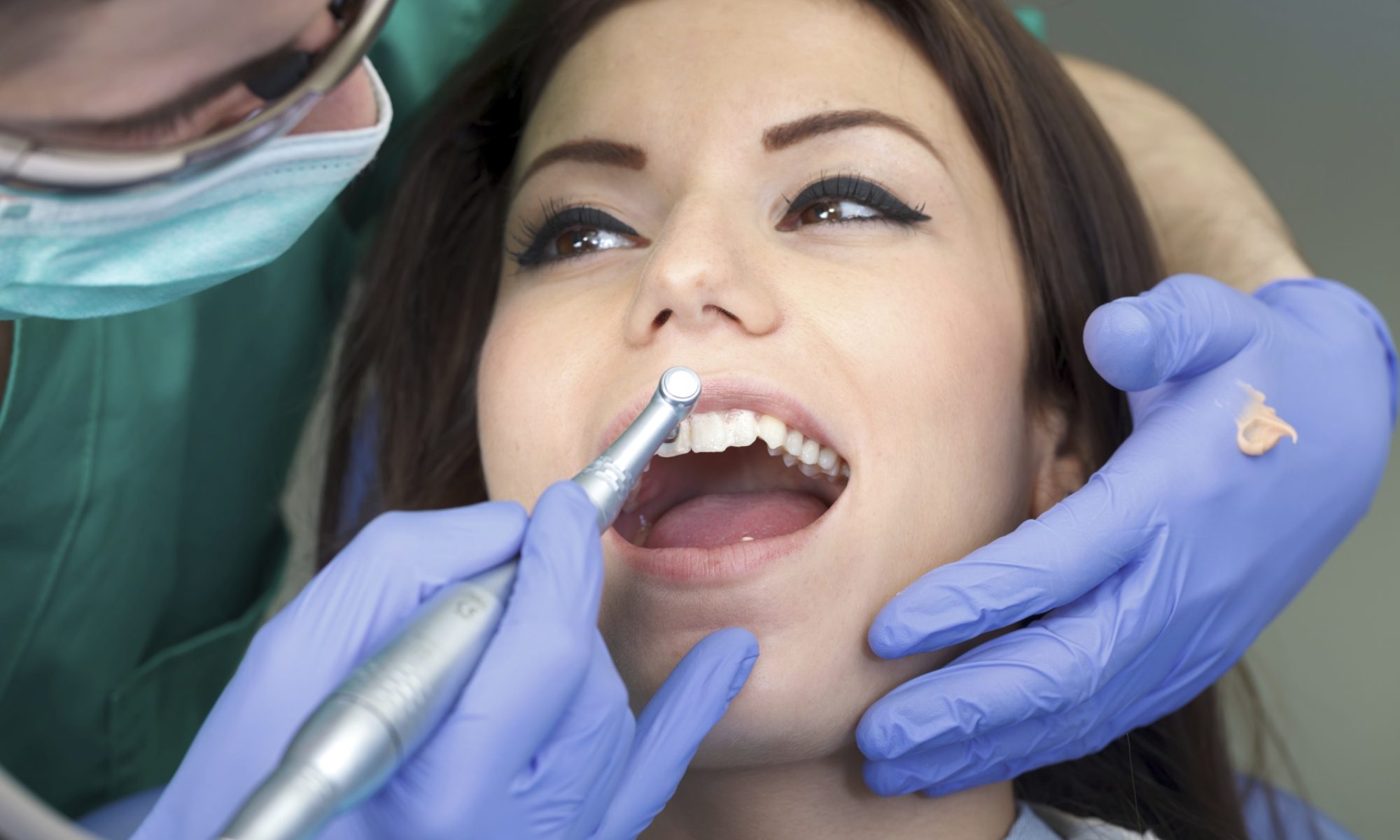
woman receiving dental work

If you experience a physical reaction to the idea of certain stimuli being triggered by going to the dentist, you may have dental anxiety. Dental anxiety is common among kids and adults alike. Continue reading to learn if IV Sedation may be right for you.

When dentists perform restorative procedures, there are typically a variety of sedation options available to the individual. The two main ones are nitrous oxide and intravenous (IV) sedation. The inhalation of nitrous allows a patient to relax, but IV sedation can guide the patient into a deeper relaxation and in some cases, lull them to sleep.

The following are the benefits of utilizing IV sedation for sleep dentistry

  • Administration of the drug is tailored to the patient’s needs
  • The results of IV sedation are reliable and the most effective means of sedation
  • If you are particularly sensitive to your gag reflex, IV sedation will relax the reaction, but your dentist may recommend nitrous oxide
  • In contrast to general anesthesia, IV sedation is safer and allows you to retain consciousness.
  • Due to the amount of control, your practitioner has with the dosage of IV administered, your recovery time is shorter than with oral sedation.

Remaining consistent with your oral health in your daily life, as well as with regular check-ups, are the best way to avoid unfavorable experiences at the dentist. If you do enter into a restorative process, discuss your concerns with your dentist to see if IV sedation may be right for you.

If you have questions or concerns about IV sedation, make an appointment today with Dr. Schnall at 212-247-7059 or visit our website at www.philipschnalldmd.com.

Dr. Philip Schnall proudly serves Central Park West and all surrounding areas.
How Salt Can Help Your Smile | Central Park West Dentist

After a long holiday season, it may be possible for us to develop a toothache. After all, there are so many events filled with tasty eats, overindulging can sometimes have an effect on your smile. Thankfully, there is a quick solution to help ease the pain.

Sure, it tastes like you are drinking a glass of ocean water, but a warm saltwater rinse can be highly beneficial to your oral health. It is more than just a disinfectant; it also helps in removing swelling of oral tissues. Here are just a few ways swishing some saltwater can help:

Halitosis. While poor oral hygiene is a cause for halitosis, or bad breath, rinsing your mouth with salt water can prevent bacterial growth and infection, which often causes halitosis.

Gingivitis. Gingivitis is a typical condition characterized by swelling, inflammation and bleeding gums. Bacteria proliferation forms a sticky and whitish film, called plaque. Rinsing the mouth with salt water solution daily can help in soothing inflamed gums and wipes out bacteria.

Toothache. Toothache can happen to anyone; it is a common complication caused by several reasons. While bacteria are the main cause, weak roots or open nerve endings can also lead to sensitivity and throbbing in teeth. Gargling regularly with salt water can offer some relief.

Sore throat. Sore throat can cause you to cough, only adding to the pain your throat feels. Saltwater gargle can help in relieving soreness.

Salt water has been used by multiple cultures over countless generations to clean wounds and rinse out mouths, but it should not be swallowed in quantity. Talk to your dentist about the benefits of washing your mouth with salt water. To make a saltwater solution, mix 1 tsp of salt to 1 cup of warm water.

If you have questions or concerns about salt water rinse, make an appointment today with Dr. Schnall at 212-247-7059 or visit our website at www.philipschnalldmd.com.

Dr. Philip Schnall proudly serves Central Park West and all surrounding areas.

Alternatives to Toothpaste | Central Park West Dentist

We all know that there are a few tools we need in order to maintain a healthy smile – a toothbrush, some toothpaste, floss and mouthwash. With these tools, we can achieve not only a healthy mouth but a bright smile that you’ll love to show off.

But what if you don’t have toothpaste handy, or you’ve just run out and don’t have time to run to the shop? There are some ways you can make your own toothpaste using very regular household items. Check it out!

Baking soda. There are lots of toothpastes that contain baking soda, so this shouldn’t sound so foreign to anyone. This ingredient helps whiten teeth and remove plaque. Simply place some on your finger, paper towel, or washcloth before brushing your teeth.

Saltwater. Salt has natural antibacterial qualities that can help eliminate some of the plaque-causing germs in your mouth when you don’t have any toothpaste. Simply combine 1–2 teaspoons of salt to 8 ounces of lukewarm water and allow the salt to dissolve in the water. Then dip your finger, paper towel, or washcloth in the saltwater before brushing your teeth, or use the elixir as a rinse afterwards. Just be aware that salt can corrode metal fillings so if you have some, don’t use this method too frequently.

Strawberries. This may sound crazy to you, but strawberries have malic acid, which can help whiten teeth, vitamin C, to maintain gum health, and an astringent that helps remove plaque. So, crush up some strawberries & apply to your teeth, even when mixed in some baking soda. When you finish, rinse well with water as strawberries still have sugar and fructose, both of which can cause tooth decay.

If you have questions or concerns about toothpaste alternatives, make an appointment today with Dr. Schnall at 212-247-7059 or visit our website at www.philipschnalldmd.com.

Dr. Philip Schnall proudly serves Central Park West and all surrounding areas.
Halloween Habits to Maintain Your Tiny Human’s Smile | Central Park West Dentist

When Halloween comes around, as parents it is important to teach our children to take care of their teeth to instill good dental habits through life. After all, there are lots of sugary sweets available to damage a tiny human smile, so staying on top of your child’s smile is important on this haunted night. Now, there’s no reason to deny children the enjoyment of Halloween candy, but it’s important to supervise them to ensure that their Halloween is enjoyed in a way that keeps their teeth safe.

Use Halloween as a way to teach children about moderation – by teaching children to eat a moderate number of treats, you’ll encourage them to practice moderation in their daily lives, including other sugary foods they’ll encounter year-round such as sweet juices and starch heavy breads. Allow your children to choose the candy they want to eat, but set a limit on the number of pieces, and remove the extras – they can be saved for a future day, frozen for later, thrown away, or donated.

While sugar does promote decay, the effect of sugar is not instant. If children eat candy for a short time period, and then brush their teeth a short time later, the impact of the sugar is fairly minimal. For that reason, allow children to eat candy during a fixed time – rather than an all-day feast, they’ll have a fixed window for candy. This allows them to prioritize their candy enjoyment, minimizes the chances that they’ll consume far too much, and by following treats with brushing, helps prevent cavities.

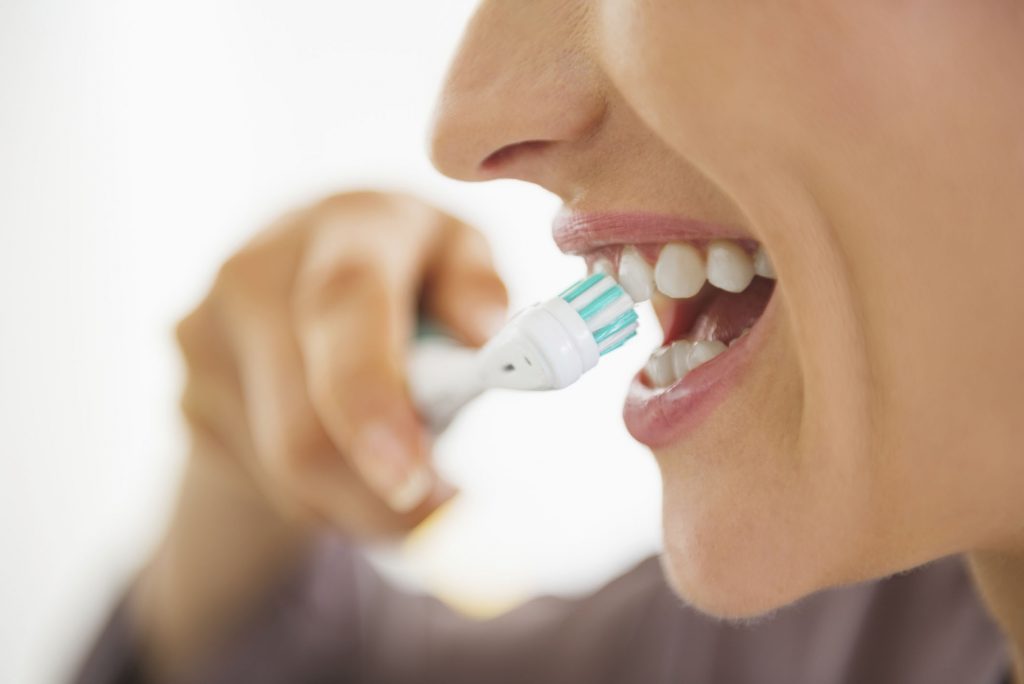
Focus on fun, but effective, tooth brushing. Children often need stimulation beyond simple health to brush regularly and sufficiently, so swap toothbrushes every few months, and give your children the opportunity to choose.

If you have questions or concerns about the effects of Halloween candy on your teeth, make an appointment today with Dr. Schnall at 212-247-7059 or visit our website at www.philipschnalldmd.com.

Dr. Philip Schnall proudly serves Central Park West and all surrounding areas.